All the World's a Gym (And We're Merely Players)
Every Tuesday evening across Britain, something magical happens in village halls, community centres, and converted church spaces. Whilst the rest of us are debating whether to brave the gym, thousands of amateur theatre enthusiasts are unknowingly embarking on one of the most comprehensive leg workouts available - all in the name of entertainment.
"I joined our local drama group to meet people and have a laugh," admits Janet Morrison from the Wiltshire Amateur Dramatic Society. "Three months into rehearsals for our Christmas panto, I realised my legs were stronger than they'd been in years. Who knew playing Widow Twankey was basically strength training in disguise?"
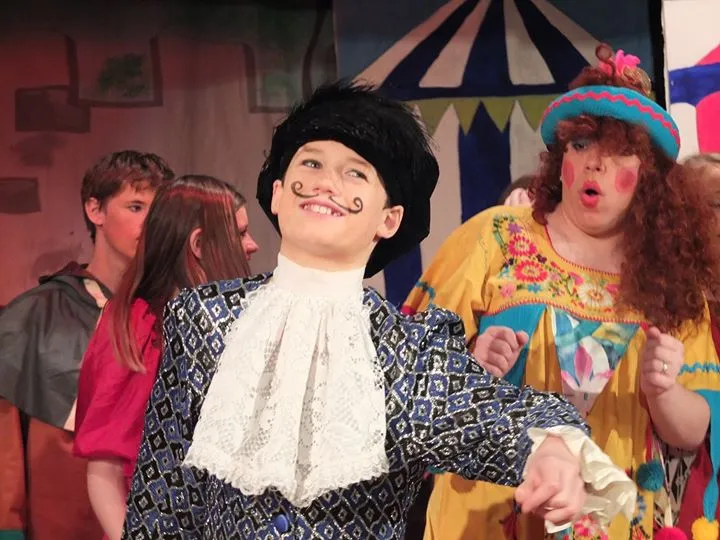 Photo: Wiltshire Amateur Dramatic Society, via www.wincantonamateurdramaticsociety.org
The Physical Demands of Make-Believe
Amateur theatre might seem like standing about reciting lines, but the reality is far more physically demanding. Consider the typical rehearsal schedule: two to three hours of constant movement, repeated blocking sequences, and endless repetition of choreographed scenes.
Movement coach Lisa Patterson, who works with theatre groups across the Midlands, explains: "Amateur performers often underestimate the athletic demands of their craft. Between learning blocking, maintaining character physicality, and performing in often challenging costumes, they're essentially doing functional fitness training twice weekly for months."
Blocking Your Way to Better Quads
Those seemingly simple stage directions - "cross downstage left," "exit stage right" - add up to serious mileage over a production's rehearsal period. Directors typically block and re-block scenes multiple times, meaning actors repeat the same movement patterns dozens of times per evening.
Take your average three-act play: performers might walk the equivalent of several kilometres during a single rehearsal, but it's not just the distance. The stop-start nature, combined with holding positions whilst delivering lines, creates an interval training effect that would make your personal trainer proud.
Costume Chaos: Resistance Training in Disguise
Britain's amateur theatre scene loves its elaborate costumes - from Victorian bustles to medieval armour crafted from cardboard and determination. What performers don't realise is that these costume challenges create natural resistance training.
"Period costumes completely change how you move," explains costume designer Margaret Webb, whose creations have graced stages from Cornwall to the Highlands. "Long skirts force you to engage your hip flexors differently, whilst heavy cloaks work your postural muscles. It's like wearing a weighted vest that also looks fabulous under stage lights."
Dancing sequences in costume take this to another level. Try performing the can-can in a Victorian corset, or executing sword fights whilst wearing a kilt - your stabilising muscles will be firing overtime.
The Panto Effect: Britain's Favourite Leg Day
Pantomime season represents the peak physical challenge for Britain's amateur performers. The exaggerated movements, slapstick comedy, and audience interaction demands create a perfect storm of lower body engagement.
"Panto is basically plyometrics with jazz hands," jokes David Chen, director of East London Community Players. "The big gestures, the pratfalls, the chase scenes - our performers are essentially doing a two-hour HIIT workout whilst entertaining families. It's exhausting and exhilarating in equal measure."
 Photo: East London Community Players, via static.wixstatic.com
The traditional panto horse alone requires incredible leg strength and coordination. Two performers must move as one whilst maintaining comic timing - it's like a partner workout that happens to involve a costume and terrible jokes.
Stage Fright: The Ultimate Pre-Workout
Performance nights add another dimension entirely. The adrenaline surge before curtain up primes your muscles like the world's most effective pre-workout supplement. Heart rates spike, muscles engage, and suddenly you're performing physical feats that seemed impossible during rehearsal.
"Opening night nerves are incredible," reports theatre veteran Patricia Holmes, who's performed with amateur groups across Yorkshire for over two decades. "Your body goes into this heightened state where you can leap about the stage like you're twenty years younger. It's better than any energy drink."
The Social Gains
Beyond the physical benefits lies something equally valuable: community. Britain's amateur theatre scene creates supportive environments where fitness happens naturally through shared creative goals. Unlike solitary gym sessions, theatre training builds social connections alongside physical strength.
"The camaraderie is incredible," notes Dr Sarah Williams, who studies community theatre's health benefits at Manchester University. "Participants support each other through challenging scenes the same way training partners motivate each other through difficult workouts. The social element makes the physical demands feel effortless."
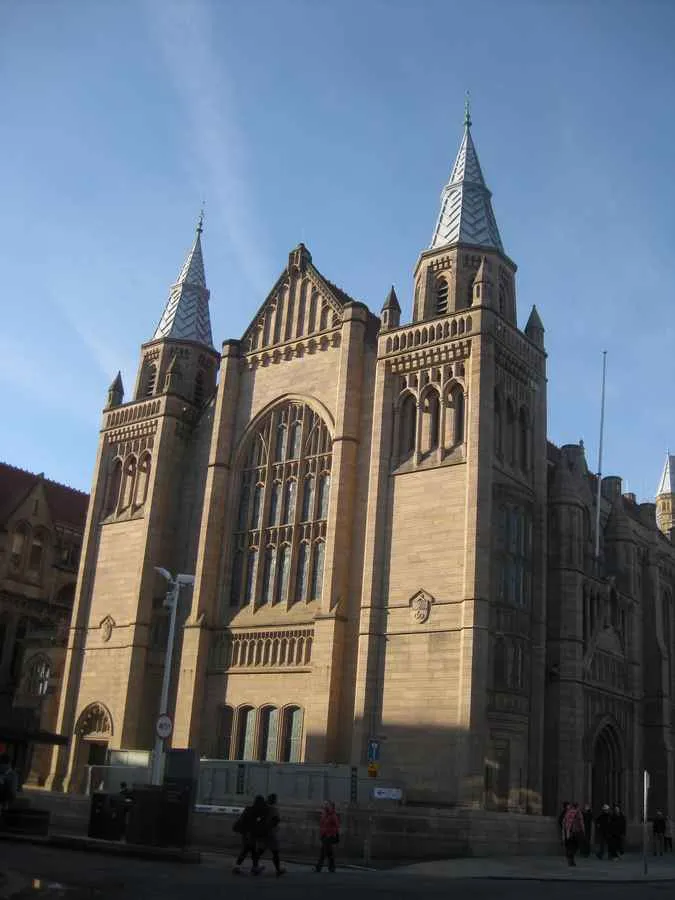 Photo: Manchester University, via www.e-architect.com
Taking Centre Stage
Whilst your local gym offers structured leg workouts, Britain's amateur theatre scene provides something unique: functional fitness disguised as creative expression. Every rehearsal builds strength, coordination, and confidence whilst contributing to your community's cultural life.
So next time you're seeking motivation for leg day, consider auditioning for your local drama group instead. You might just discover that the best workouts happen when you're too busy having fun to notice you're exercising at all.
After all, why squat in silence when you could be building those thunder thighs whilst belting out show tunes? The stage is set for your strongest performance yet.