The Unsung Athletes of Christmas
While Britain settles in for mince pies and Christmas television, a different kind of seasonal athlete is preparing for one of the most demanding physical challenges in entertainment. Pantomime performers across the country are about to embark on what amounts to an elite-level conditioning programme, disguised as festive family fun.
From the London Palladium to regional theatres in Wolverhampton and Worthing, panto season demands extraordinary physical resilience. Eight shows per week for six to eight weeks, each requiring explosive movements, sustained energy, and the kind of lower body strength that would impress any sports scientist. Yet this incredible training stimulus remains largely unrecognised outside the theatre world.
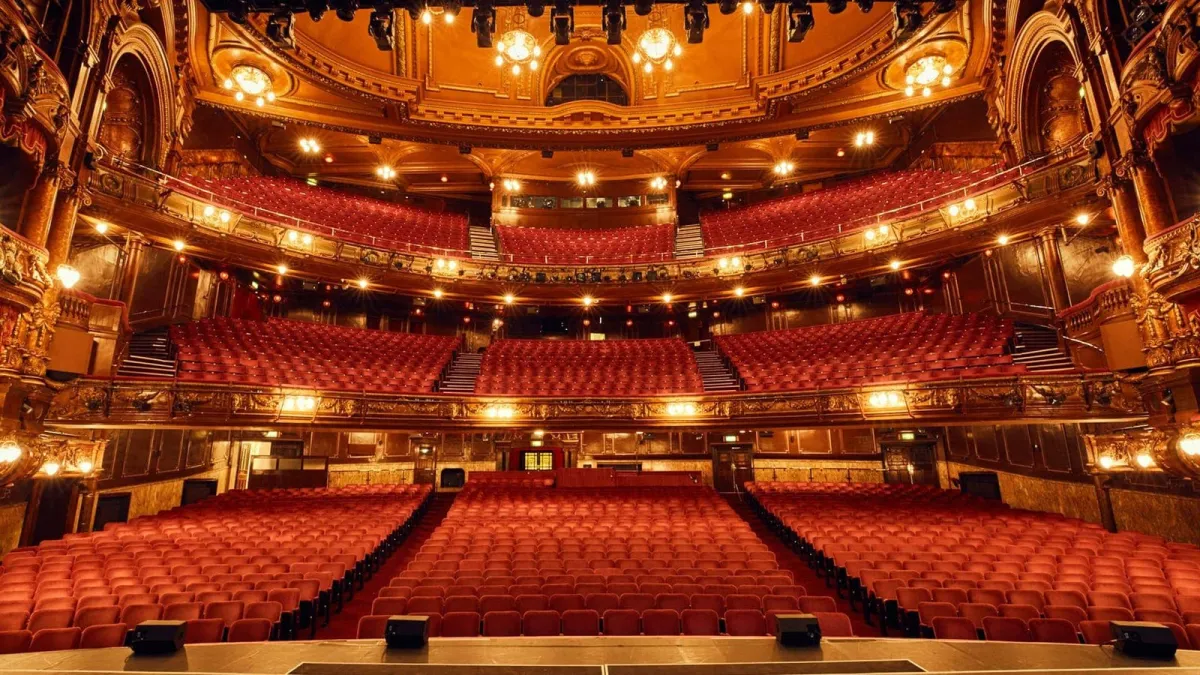 Photo: London Palladium, via ivisitlondon.co.uk
The Physical Demands: More Than Meets the Eye
Pantomime's slapstick comedy creates unique training demands that combine elements of plyometric training, endurance conditioning, and functional movement patterns. Consider the typical "dame" character, who might perform dozens of exaggerated falls, trips, and tumbles throughout each performance. These aren't gentle theatrical gestures—they're controlled athletic movements requiring significant eccentric strength to execute safely.
Jamie Harrison, who's played various characters in regional pantos for eight years, describes the physical reality: "People see the comedy and think it's all lightweight fun, but executing a proper comic fall eight times a week requires serious leg strength. You're essentially doing plyometric training whilst wearing ridiculous costumes and entertaining screaming children."
 Photo: Jamie Harrison, via linktr.ee
The dance numbers present their own challenges. Modern pantos incorporate everything from hip-hop routines to traditional show tunes, often requiring performers to maintain high energy levels for 15-20 minute sequences. The constant jumping, turning, and quick directional changes demand the kind of agility and power typically associated with court sports.
The Costume Factor: Hidden Resistance Training
Pantomime costumes add an often-overlooked training variable that significantly increases the physical demands. Dame dresses can weigh several kilograms and restrict natural movement patterns, forcing performers to generate additional power to achieve the same movements. Principal boy costumes, whilst lighter, often include boots and accessories that alter balance and require additional stabilisation.
"Performing in full panto costume is like doing your workout wearing a weighted vest that also restricts your range of motion," explains Sarah Chen, a professional dancer who's appeared in pantos across the Midlands. "Your legs have to work so much harder to generate the same power and maintain balance. By the end of the run, you feel incredibly strong."
 Photo: Sarah Chen, via images.prestigeonline.com
The quick costume changes between scenes add another dimension to the physical challenge. Performers often have less than two minutes to completely change outfits whilst maintaining the energy levels required for their next entrance. This creates interval-style conditioning that taxes both aerobic and anaerobic systems.
The Rehearsal Build-Up: Structured Periodisation
Pantomime rehearsal schedules inadvertently follow principles of sports periodisation that strength coaches spend years perfecting. The typical six-week rehearsal period begins with learning choreography and blocking—relatively low-intensity work that establishes movement patterns and builds base conditioning.
Intensity gradually increases as technical rehearsals introduce costumes, props, and full staging. The final week before opening typically includes several full dress rehearsals, creating a peak loading phase that prepares performers for the demands of the actual run.
Dr Michael Roberts, a sports scientist who's worked with professional dancers, recognises the structure: "The panto rehearsal and performance schedule creates exactly the kind of progressive overload we'd design for athletes. The gradual increase in volume and intensity, followed by sustained high-level performance, is textbook sports conditioning."
Performance Demands: The Real Test
Once panto season begins, performers face a schedule that would challenge elite athletes. Eight performances weekly—including matinees that require maintaining energy levels during typically low-energy afternoon periods—create sustained physical demands that test both strength and endurance.
The psychological pressure of live performance adds another training variable. Adrenaline and audience energy can mask fatigue, allowing performers to push through physical barriers they might not overcome in training situations. This creates adaptation stimuli that pure gym training rarely matches.
Tom Williams, who's played the villain in Christmas shows across Yorkshire for six seasons, describes the cumulative effect: "By New Year, your legs feel indestructible. All those weeks of jumping, falling, dancing, and running around in heavy costumes whilst maintaining performance energy—it's like having done an intensive strength and conditioning programme without realising it."
The Supporting Cast Workout
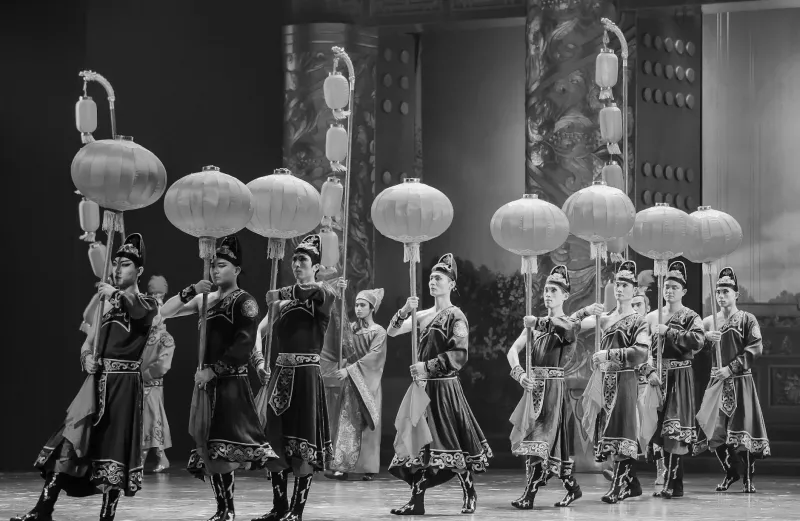
Whilst principals bear the heaviest performance loads, ensemble members face their own unique challenges. Quick scene changes often require rapid transitions between different staging levels, creating constant stair climbing and platform navigation. Background dancers perform the same high-energy routines as principals but often for longer periods, as they typically remain on stage throughout entire musical numbers.
The ensemble also handles much of the physical comedy's setup—moving props, creating visual gags, and maintaining energy during extended comic sequences. This combination of sustained activity and explosive movements creates the kind of varied training stimulus that functional fitness programmes attempt to replicate.
Recovery and Adaptation
The compressed nature of panto season creates unique recovery challenges. With performances most days and twice on weekends, traditional recovery methods become crucial for maintaining performance quality. Many experienced panto performers develop sophisticated recovery routines involving targeted stretching, nutrition timing, and sleep optimisation.
This necessity-driven approach to recovery often teaches performers valuable lessons about managing training loads and preventing overuse injuries—skills that transfer to other physical activities. Several performers report that panto season improved their approach to fitness training throughout the year.
Lessons for Regular Fitness Enthusiasts
Pantomime training offers several insights for gym-goers seeking to improve their leg strength and conditioning. The combination of explosive movements, sustained activity, and functional patterns creates comprehensive lower body development that isolated exercises cannot match.
The performance element also provides motivation strategies that pure fitness training often lacks. Having external goals—whether entertaining audiences or simply completing the run without injury—creates the kind of purpose-driven training that improves adherence and results.
The progressive nature of panto preparation demonstrates the importance of building up to high training loads gradually, whilst the performance phase shows the benefits of sustained high-level activity for developing true conditioning.
The Final Bow
As curtains fall on Britain's panto stages each January, performers often don't immediately recognise the conditioning they've achieved. It's only when returning to regular training or other physical activities that the strength and endurance gains become apparent.
For those seeking inspiration for their own leg training, consider the panto performer's approach: combine explosive movements with sustained activity, add external motivation through performance goals, and embrace the progressive overload that comes from gradually increasing demands. You might not have the bells, whistles, and audience applause, but you can certainly adopt the training principles that create some of Britain's most functionally strong legs each Christmas season.