Rock Bottom Strength: Why Britain's Fossil Hunters Are Building the Country's Most Bulletproof Legs
Forget everything you think you know about beach days. Whilst most people associate coastal trips with lounging and ice cream, there's a growing army of Britons who've discovered that hunting for ancient treasures delivers one of the most punishing leg workouts you'll find anywhere in the UK. Meet Britain's fossil hunters — and prepare to be amazed by what they're achieving below the knee.
The Numbers Don't Lie
Fossil hunting has exploded across Britain, with participation jumping 300% since 2019. The Jurassic Coast alone sees over 400,000 fossil hunters annually, whilst Yorkshire's beaches welcome another 200,000 amateur palaeontologists. What they're all discovering is that searching for 200-million-year-old ammonites requires the kind of lower body strength that would impress a professional athlete.
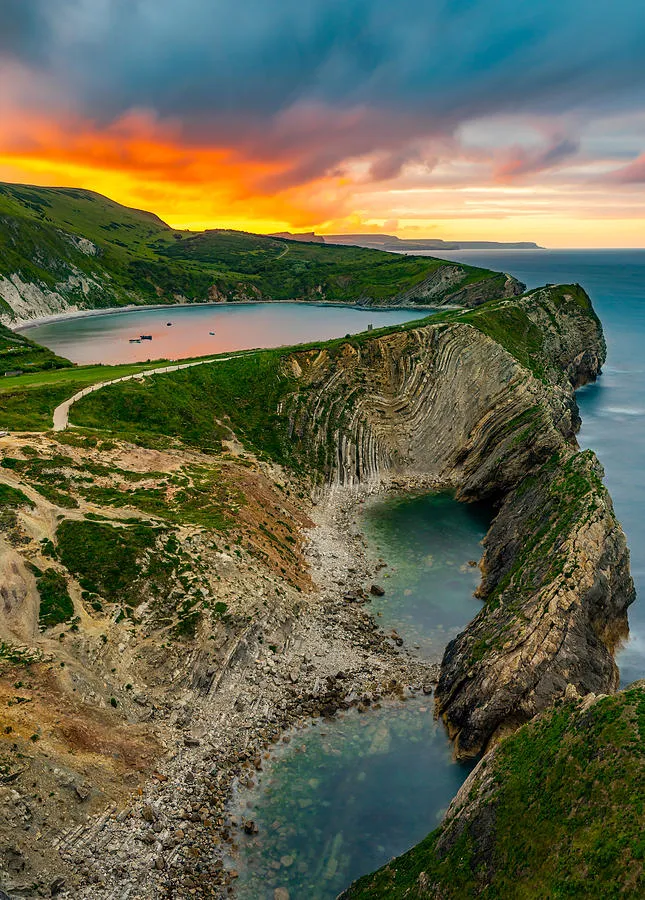 Photo: Jurassic Coast, via images.fineartamerica.com
Sports scientist Dr Rachel Hayes from Bournemouth University has been studying the physical demands of fossil hunting for two years. Her findings are eye-opening: "A typical four-hour fossil hunting session involves an average of 847 deep squats, 1,200 single-leg stands, and covers 3.2 miles on unstable sand and rock surfaces. It's basically a full-body functional fitness class disguised as a hobby."
The Deep Squat Revolution
Every serious fossil hunter knows the position: the deep, sustained squat that allows you to examine potential finds without losing balance on uneven surfaces. This isn't your gym squat — it's a full-range movement performed dozens of times per session, often whilst holding awkward positions as you carefully extract specimens from rock.
"Traditional gym squats are performed with perfect form on stable surfaces," explains personal trainer and keen fossil hunter Mark Stevens from Whitby. "Fossil hunting squats happen on wet rocks, loose shingle, and shifting sand. Your stabilising muscles are working overtime just to keep you upright, never mind the primary movers."
Stevens tracks his fossil hunting sessions with a fitness monitor and the results are remarkable. A recent four-hour expedition at Robin Hood's Bay recorded 2,847 calories burned, peak heart rate of 165 BPM, and an average of 12 minutes spent in deep squat positions.
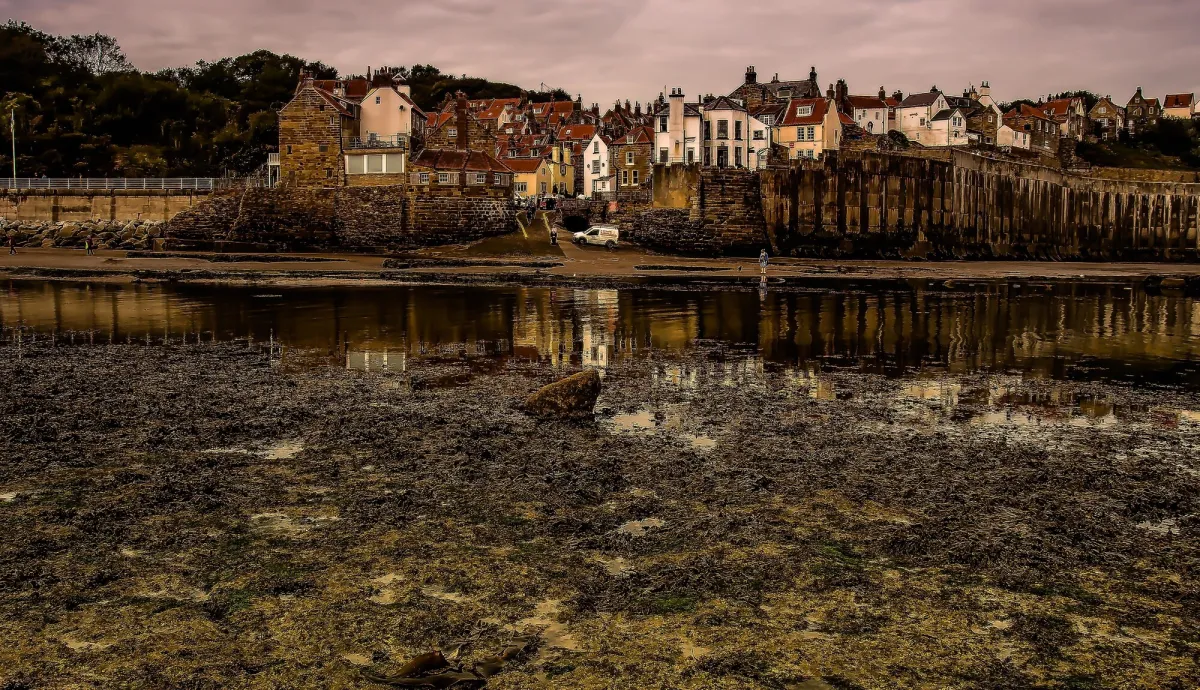 Photo: Robin Hood's Bay, via mediaim.expedia.com
Coastal Calf Killers
Anyone who's spent time on Britain's fossil beaches knows the burn. Walking on wet sand provides 1.5-2 times the resistance of firm ground, whilst negotiating rock pools and boulder fields demands constant calf engagement for balance and propulsion.
"I've been going to Lyme Regis every weekend for three years now," shares London accountant Sarah Williams. "I stopped going to leg classes entirely because my calves were getting more work in four hours on the beach than I'd get in a month at the gym. The constant push-off from soft sand is like doing calf raises with resistance bands all day."
The biomechanics are fascinating. Beach walking forces your posterior chain to work harder due to the unstable surface, whilst the slight incline of most beaches creates natural resistance training. Add the weight of carrying finds, tools, and water, and you're looking at a serious functional workout.
Boulder Hopping: Britain's Best Plyometric Training
The fossil-rich areas around Charmouth, Staithes, and the Isle of Wight feature extensive rock platforms that require constant navigation. This isn't gentle strolling — it's dynamic movement that demands explosive power, precise foot placement, and incredible balance.
"Rock platform navigation is essentially natural plyometric training," notes Dr Hayes. "You're performing countless single-leg hops, lateral movements, and controlled landings on irregular surfaces. It's developing the kind of functional athleticism that translates to every other physical activity."
Local fossil guide Tom Richardson from Charmouth has been leading expeditions for fifteen years and has watched participants transform. "I've seen people arrive who struggle to walk a mile, and within a season they're bounding across rock platforms like mountain goats. The improvement in leg strength and coordination is remarkable."
The Endurance Factor
Fossil hunting isn't a sprint — it's an endurance event. Successful hunters often spend 6-8 hours on beaches, maintaining focus and physical output throughout. This builds the kind of muscular endurance that gym sessions simply can't replicate.
"The mental engagement actually helps with physical endurance," explains Richardson. "When you're focused on finding that perfect ammonite, you're not thinking about tired legs. Before you know it, you've been in a semi-squat position for twenty minutes examining a rock face."
The cardiovascular benefits are equally impressive. Heart rate data shows fossil hunters maintaining moderate intensity exercise for extended periods — exactly the kind of training that builds both aerobic capacity and muscular endurance.
Tidal Training: Nature's Interval System
Britain's tides create a natural training periodisation that keeps fossil hunters on their toes. Low tide exposes fresh hunting grounds but requires navigating challenging terrain quickly before the water returns. High tide forces hunters to work higher up beaches, often on steeper, more demanding surfaces.
"The tide dictates your training intensity," laughs Stevens. "When you've got two hours before the good spots disappear underwater, you're moving with purpose. It's interval training with real consequences."
Getting Started: Your Fossil Hunting Fitness Plan
Ready to trade your gym card for a geological hammer? Start with established fossil hunting beaches like Charmouth, Whitby, or Hunstanton. Join local fossil groups — they'll teach you where to look whilst keeping you safe.
Begin with 2-3 hour sessions and build gradually. Fossil hunting demands different fitness than traditional exercise, so allow time for adaptation. Focus on proper hydration and sun protection — you'll be working harder than you realise.
Most importantly, respect the environment and follow local guidelines. These ancient coastlines have been creating fossils for millions of years — with proper care, they'll continue building both geological knowledge and remarkable leg strength for generations to come.
The Verdict
Britain's fossil hunters have stumbled upon something special: a hobby that delivers world-class fitness benefits whilst connecting them to millions of years of natural history. Whilst others queue for gym equipment, they're building bulletproof legs on some of the most beautiful coastlines in the world.
Sometimes the best training ground isn't a gym at all — it's right there on our doorstep, waiting to be discovered.