
Sacred Steps, Savage Gains: How Britain's Ancient Pilgrim Paths Are Secretly Sculpting Championship Legs
Whilst your mates are queuing for the squat rack, Britain's savviest fitness enthusiasts are lacing up their walking boots and heading for some of the most challenging leg workouts the country has to offer. No, we're not talking about fell running or mountain biking — we're talking about pilgrimage walking, and it's quietly becoming the UK's most underrated lower body training ground.
The Modern Pilgrim's Paradox
Pilgrimage walking in Britain isn't just about spiritual enlightenment anymore — it's about serious gains. The numbers don't lie: over 200,000 people now tackle Britain's historic pilgrimage routes annually, from the well-trodden Canterbury Way to the rugged St Cuthbert's Trail spanning 62 miles from Melrose to Lindisfarne. What they're discovering is that these ancient paths deliver a leg workout that would make a CrossFit coach weep with envy.
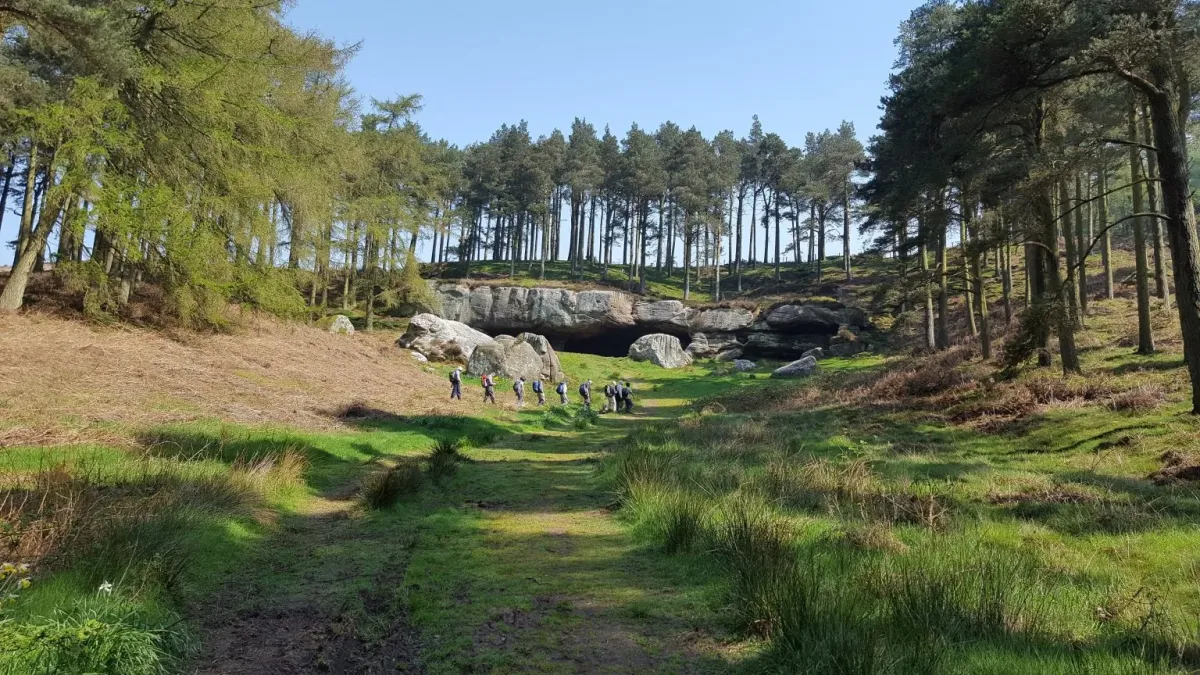 Photo: St Cuthbert's Trail, via walkwithwilliams.com
 Photo: Canterbury Way, via www.fairfieldhomesohio.com
Dr Sarah Mitchell, a sports physiotherapist based in Durham, has been studying the biomechanical demands of pilgrimage walking for three years. "The variety of terrain on these historic routes is absolutely extraordinary," she explains. "You're dealing with cobblestones that force constant micro-adjustments in your gait, steep gradients that hammer your glutes and calves, and uneven surfaces that activate stabiliser muscles most people never knew they had."
Why Ancient Paths Beat Modern Gyms
The secret lies in what fitness professionals call 'functional variability' — essentially, your legs are constantly adapting to changing demands rather than performing repetitive movements. Take the Pennine Way, stretching 268 miles from Derbyshire to Scotland. Every mile presents different challenges: boggy moorland that demands deep stabilisation, rocky outcrops requiring explosive power, and steep descents that test eccentric muscle control.
"A typical gym leg day might involve 3-4 exercises targeting specific muscle groups," notes personal trainer and pilgrimage enthusiast James Crawford from Newcastle. "But a single day on the St Cuthbert's Trail engages your entire posterior chain, challenges your proprioception, and builds the kind of functional strength that translates to real-world performance."
The numbers are staggering. Crawford's GPS data from a recent Lindisfarne crossing showed over 15,000 steps, 2,400 feet of elevation gain, and an estimated 3,200 calories burned — all whilst traversing terrain that would challenge a mountain goat.
The Cobblestone Advantage
Britain's pilgrimage routes offer something no gym can replicate: centuries-old cobblestone paths that create the ultimate unstable surface training. Walking on cobbles forces your feet, ankles, and lower legs to constantly adjust, building proprioceptive strength that prevents injuries and improves athletic performance.
Physiotherapist Dr Mitchell has measured the muscle activation patterns of pilgrims tackling the cobbled sections of the Canterbury Way. "We're seeing activation levels in the deep stabilising muscles that are 40% higher than on flat surfaces," she reports. "It's like having a personal trainer constantly adjusting the difficulty of your workout."
Cathedral Climbs: The Hidden HIIT Sessions
Many pilgrimage routes incorporate visits to Britain's magnificent cathedrals, and those tower climbs are delivering serious interval training benefits. Canterbury Cathedral's 235 steps to the Bell Harry Tower, Durham Cathedral's 325-step climb to the central tower, or York Minster's 275 steps — each represents a brutal lower body challenge disguised as sightseeing.
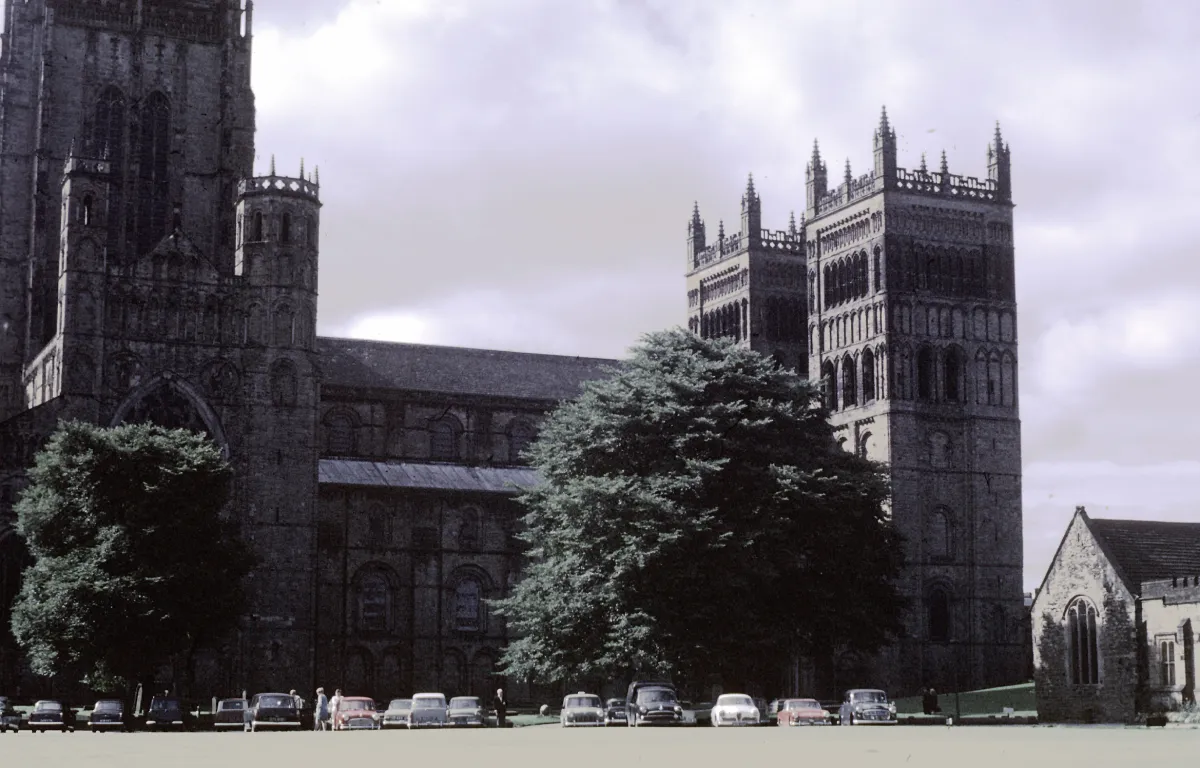 Photo: Durham Cathedral, via www.medart.pitt.edu
"Cathedral climbs are essentially vertical leg presses with a view," laughs Crawford. "You're carrying your bodyweight up narrow stone stairs, often in a confined space that prevents you from using momentum. It's pure quad and glute power."
The Long Game: Endurance That Matters
Whilst gym sessions typically last 60-90 minutes, pilgrimage walking builds the kind of endurance that transforms daily life. Regular pilgrims report climbing stairs without breathlessness, standing for extended periods without fatigue, and maintaining energy levels throughout long days.
"I started the St Cuthbert's Trail as a weekend warrior who struggled with a 5K run," shares Manchester resident Emma Thompson, who completed the route over six weekends last summer. "By the end, I was hiking 12-mile sections without breaking stride. My legs felt bulletproof."
Getting Started: Your Pilgrimage Leg Day Blueprint
Ready to swap the squat rack for sacred ground? Start local. Most regions have shorter pilgrimage routes perfect for building base fitness. The 23-mile St Kentigern Way in Scotland, the 20-mile Walsingham Way in Norfolk, or even day sections of longer routes provide excellent introduction to pilgrimage walking.
Begin with 3-5 mile sections, focusing on maintaining steady pace over varied terrain. Build weekly mileage gradually — pilgrimage walking demands patience and progressive overload just like any serious training programme.
The Bottom Line
Britain's pilgrimage routes represent a perfect storm of challenging terrain, historical significance, and serious fitness benefits. Whilst your gym membership gathers dust, thousands of modern pilgrims are discovering that the path to stronger legs might just be the same paths our ancestors walked centuries ago.
After all, those medieval monks didn't need fancy equipment to build functional strength — they had something better. They had Britain's ancient trails, and now, so do you.