The Accidental Athletes of Open Water
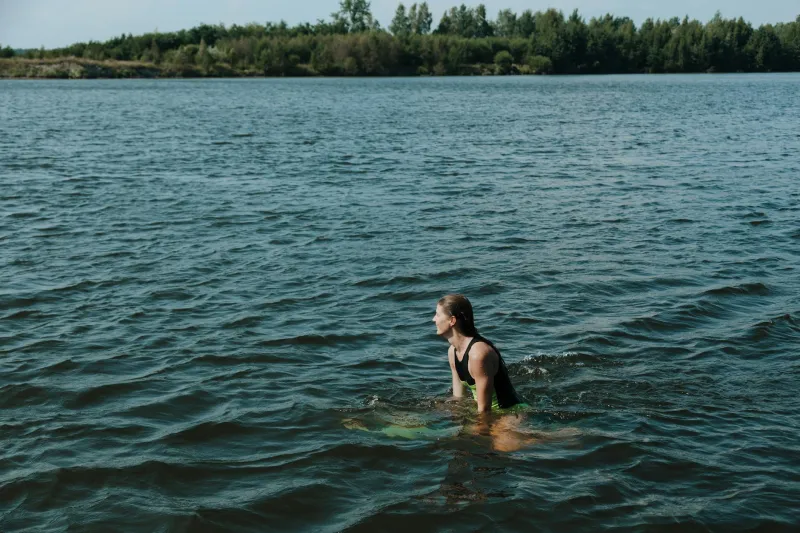
Across Britain's lakes, rivers, and coastal waters, a quiet fitness revolution is taking place. Wild swimming has exploded from niche hobby to mainstream movement, with dedicated groups gathering at dawn in locations from Hampstead Heath's ponds to Scotland's Highland lochs. Whilst most participants focus on the mental health benefits and cold water therapy aspects, they're unknowingly engaging in one of the most comprehensive lower body workouts available.
 Photo: Hampstead Heath, via images.squarespace-cdn.com
The Instagram-worthy shots of serene swimmers gliding through pristine waters only tell half the story. The real workout begins long before entering the water and continues well after emerging, creating a unique training stimulus that gym-based exercises simply cannot replicate.
The Approach: Nature's Obstacle Course
Every wild swimming session begins with what physiotherapist and regular Windermere swimmer James Mitchell calls "environmental negotiation." Unlike walking into a heated pool via convenient steps, accessing natural water bodies demands serious lower body engagement.
Consider the typical approach to a Lake District tarn: uneven rocky terrain requiring constant micro-adjustments from ankle stabilisers, single-leg balance challenges as you navigate between boulders, and the kind of functional movement patterns that expensive gym equipment attempts to simulate. Your glutes fire constantly to maintain hip stability, whilst your calves work overtime to provide grip on slippery surfaces.
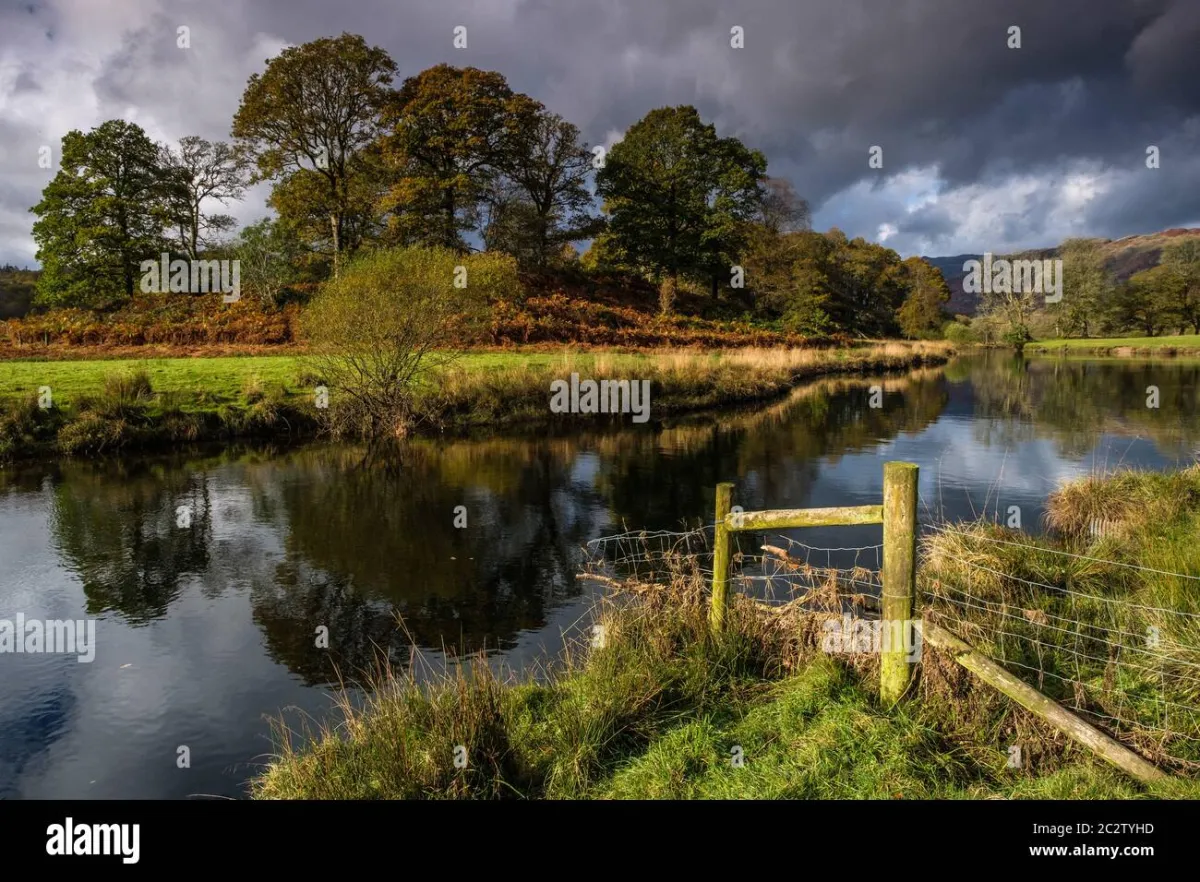 Photo: Lake District, via c8.alamy.com
"I've been swimming in Coniston Water for five years," explains regular swimmer Helen Davies from Kendal. "The walk down to my favourite entry point is basically a 10-minute functional movement warm-up. By the time I reach the water, my legs are already activated in ways that never happened when I used the local leisure centre."
Entry and Exit: The Ultimate Functional Training
The moment of entry into wild water provides a masterclass in controlled movement under challenging conditions. Cold water shock triggers immediate muscle tension, requiring exceptional core and leg stability to maintain control. The uneven lake beds and river banks demand single-leg strength as you lower yourself into water of unknown depth.
But it's the exit that really separates wild swimming from conventional aquatic exercise. Hauling yourself from water onto rocks, riverbanks, or jetties without the convenience of pool ladders creates an intense posterior chain workout. Your glutes, hamstrings, and calves must generate significant force to overcome both your body weight and the resistance of the water.
Regular Serpentine swimmer Marcus Thompson describes the challenge: "Getting out of the Serpentine in winter, when your muscles are cold and the bank is slippery, requires serious leg strength. It's like doing a weighted squat thrust whilst hypothermic—definitely not for the faint-hearted."
Fighting the Flow: Current Resistance Training
Whilst pool swimming provides consistent resistance, wild water introduces the variable of current—nature's answer to resistance training. Swimming upstream in rivers like the Thames or Wye requires significantly more power output, particularly from the legs during freestyle kick.
Dr Emma Richardson, who researches aquatic biomechanics at Loughborough University, explains the physiological demands: "Fighting current creates what we call 'accommodating resistance'—the harder you work, the more resistance you encounter. This challenges the neuromuscular system in ways that fixed-resistance training cannot match."
The lateral stability required when swimming across current engages often-neglected muscle groups. Your hip abductors work overtime to maintain body position, whilst your glutes fire constantly to prevent unwanted rotation. It's three-dimensional training that addresses movement patterns rarely challenged in traditional gym settings.
The Seasonal Conditioning Effect
Britain's year-round swimming community experiences what amounts to progressive overload through seasonal temperature changes. As water temperatures drop from autumn into winter, the physiological demands increase dramatically. Cold water immersion triggers immediate muscle tension, requiring greater strength output for the same movements.
This natural periodisation creates a training effect that many swimmers only recognise retrospectively. Sarah Williams, who swims in Brighton's sea pools throughout winter, noticed significant changes: "By March, after months of cold water swimming, my legs felt incredibly strong. The constant muscle tension from cold exposure had basically given me six months of isometric training without realising it."
Hidden Benefits: Proprioception and Balance
Beyond pure strength development, wild swimming enhances proprioception—your body's awareness of its position in space. The unstable aquatic environment, combined with reduced visibility underwater and variable water conditions, forces your nervous system to rely more heavily on proprioceptive feedback.
This enhanced body awareness translates directly to improved balance and coordination on land. Many wild swimmers report better performance in other activities, from hiking to cycling, attributing improvements to the enhanced proprioceptive training that wild swimming provides.
The Community Factor: Consistency Through Camaraderie
One of wild swimming's greatest strengths as a fitness activity is its community aspect. Regular groups meeting at specific times and locations create social accountability that keeps participants consistent even when motivation wanes. This consistency is crucial for realising the strength benefits that wild swimming offers.
The shared challenge of cold water immersion also builds mental resilience alongside physical strength. Overcoming the psychological barrier of entering cold water develops the kind of mental toughness that translates to pushing through challenging workouts in other contexts.
Maximising the Training Effect
For those looking to enhance wild swimming's leg training benefits, simple modifications can increase the workout intensity. Taking longer routes to and from water entry points extends the functional movement component. Choosing more challenging access points—within safe limits—increases the strength demands.
Incorporating basic bodyweight exercises during warming up or cooling down sessions amplifies the training effect. Squats and lunges performed on uneven ground beside the water combine the benefits of resistance training with the proprioceptive challenges of unstable surfaces.
Safety First: Responsible Wild Swimming
Whilst celebrating wild swimming's fitness benefits, safety must remain paramount. The strength demands we've discussed can become dangerous when combined with cold water, current, or fatigue. Always swim with others, know your limits, and prioritise safety over training intensity.
The Outdoor Swimming Society provides excellent guidance on safe wild swimming practices, whilst local groups offer supervised sessions perfect for beginners looking to experience these benefits safely.
The Natural Choice
Wild swimming offers something increasingly rare in modern fitness: a challenging workout that doesn't feel like exercise. The focus on environment, community, and personal challenge creates sustainable motivation whilst delivering serious training benefits. For those seeking leg strength training that connects them to Britain's natural heritage, wild swimming provides an unbeatable combination of physical challenge and psychological reward.