The Hidden Power Behind Every Stroke
Forget everything you think you know about rowing. Whilst most people picture gentle Sunday afternoon paddles or posh university traditions, Britain's river culture is actually home to one of the most brutal leg workouts you'll never see coming. From the muddy banks of the Thames to the pristine waters of the Lake District, our waterways are quietly forging some of the most powerful pins in the nation.
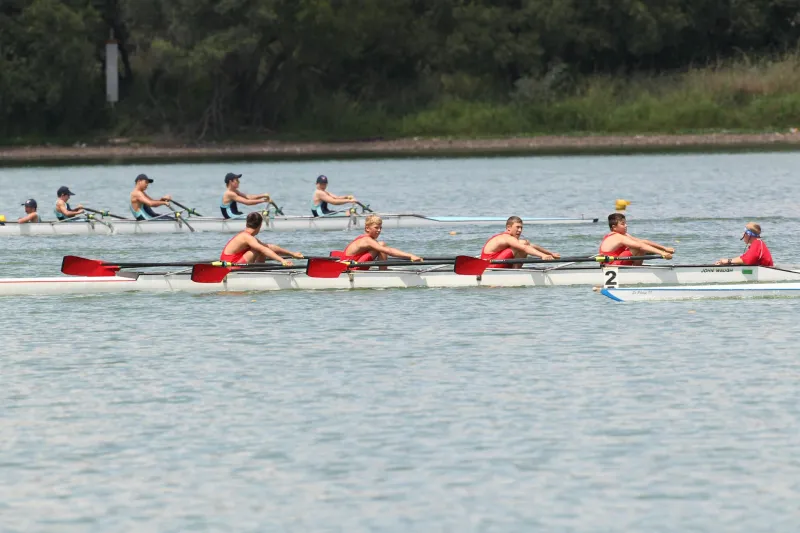
The secret? Every single rowing stroke begins in your legs. That explosive drive phase – the moment when the blade catches the water and you push back with everything you've got – it's not your arms doing the heavy lifting. It's your quads, glutes, and hamstrings firing in perfect synchronisation, generating the kind of power that would make your local gym's leg press machine weep with envy.
Why Your Legs Do All the Work
Here's the thing most people don't realise: rowing is basically a horizontal squat that never ends. When you're strapped into that sliding seat, your legs are doing 60-70% of the work in every stroke. The catch position – knees bent, shins vertical, ready to explode – is essentially a squat hold that transitions into the most powerful leg drive you can muster.
But it's not just about raw power. The beauty of rowing lies in its relentless repetition. A typical training session might involve 2,000 strokes or more. That's 2,000 explosive leg drives, each one demanding perfect coordination between your quads, glutes, and calves. It's like doing endless jump squats, except you're also moving through water and your upper body gets a workout too.
The Punt Pole Challenge
Whilst rowing dominates the conversation, let's not forget Britain's other river tradition: punting. Those leisurely Cambridge afternoons might look effortless, but anyone who's actually wielded a punt pole knows the truth – your legs are working overtime to keep you upright and moving forward.
Standing on a narrow, unstable platform whilst driving a 16-foot pole through murky river water is essentially a full-body balance challenge that puts your core and legs through their paces. Your stabilising muscles – those deep fibres that rarely get attention in traditional workouts – are constantly firing to keep you from taking an unexpected dip.
Sculling: The Ultimate Leg Burner
For those seeking the ultimate river-based leg workout, sculling takes everything brilliant about rowing and amplifies it. With an oar in each hand, you're not just driving through your legs – you're coordinating a complex movement pattern that demands perfect timing and explosive power from your lower body.
The single scull, in particular, is notorious for its demands on your legs. Without a partner to share the load, every stroke relies entirely on your ability to generate power from your pins. It's no wonder that competitive scullers often sport some of the most impressive leg development in all of sport.
Where to Find Your River Workout
The brilliant thing about Britain's river culture is how accessible it's become. Gone are the days when rowing was the exclusive domain of public schools and university elites. Community rowing clubs have exploded across the country, from inner-city London facilities on the Thames to picturesque clubs dotting the rivers of Yorkshire and Scotland.
Most clubs offer 'learn to row' programmes that'll have you mastering the leg drive within weeks. The National Schools Regatta and British Rowing's initiatives have made the sport more inclusive than ever, meaning your local waterway probably has a club ready to welcome newcomers.
The Science Behind the Strength
What makes river training so effective for leg development isn't just the power demands – it's the unique loading pattern. Unlike traditional weightlifting, which typically involves lifting against gravity, rowing creates resistance through water displacement. This means your muscles are working through a full range of motion against variable resistance, creating the kind of functional strength that translates brilliantly to everyday activities.
Research from British Rowing shows that competitive rowers generate peak leg forces equivalent to lifting 1.5-2 times their body weight during racing conditions. Even recreational rowers regularly hit forces that would challenge most gym-goers, all whilst developing the kind of cardiovascular fitness that makes climbing stairs feel like a gentle warm-up.
Making Waves in Your Training
The beauty of embracing Britain's river culture for your leg training lies in its sustainability. Whilst gym sessions can become monotonous, every river outing offers something different – changing weather conditions, varying water states, and the simple pleasure of being outdoors whilst you work.
Many rowing clubs now offer indoor rowing sessions during winter months, using sophisticated ergometers that replicate the exact movement patterns of on-water rowing. It's the perfect way to maintain your river-forged leg strength year-round, regardless of British weather's best efforts to keep you indoors.
The Final Stroke
Britain's rivers have been shaping powerful legs for centuries, long before anyone thought to call it 'functional fitness' or 'outdoor training'. From the working watermen of old to today's weekend warriors discovering the joy of sculling, our waterways continue to offer one of the most effective and enjoyable leg workouts imaginable.
So next time you're planning your leg day, consider swapping the squat rack for a sliding seat. Your thighs will thank you, and you might just discover that the limit isn't in the gym – it's wherever the river takes you.