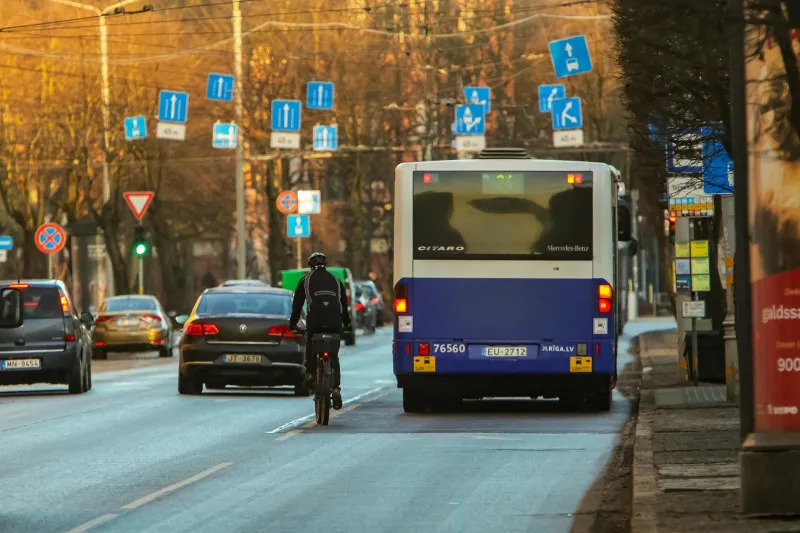
The Great British Cycling Revolution
Whilst the rest of Europe sips espresso and cycles leisurely through picturesque squares, Britain's cycling commuters are engaged in something far more hardcore: an accidental leg-building bootcamp that happens twice daily, five days a week. From the canal towpaths of Birmingham to the traffic-choked streets of London, our nation's cyclists are developing quad strength that would make professional athletes jealous – and they don't even realise it.
The numbers tell the story: cycling to work has increased by 46% across UK cities since 2020. But here's what those statistics don't reveal – every single one of these commuters is inadvertently participating in Britain's largest outdoor gym membership.
Why British Cycling Is Different
"British cycling isn't like cycling anywhere else in the world," explains Sarah Mitchell, a Manchester-based cycling coach and former Olympic training consultant. "Our cities weren't designed for bikes. Every journey is essentially an obstacle course of hills, traffic lights, roundabouts, and weather that changes three times before you've reached the office."
This chaos is actually brilliant for leg development. Unlike the steady-state cycling you might do in a gym, British urban cycling demands constant power adjustments. You're sprinting away from lights, grinding up unexpected hills, and navigating through traffic that stops and starts like a broken washing machine.
The Hidden Muscle-Building Magic
Your morning commute through Manchester's Northern Quarter or Bristol's harbourside isn't just transport – it's a comprehensive lower body workout disguised as getting to work. Here's what's actually happening to your legs:
Quadriceps Domination
Every push of the pedal engages your quadriceps, but British cycling takes this further. Those sudden sprints to beat the amber light? That's explosive quad power. Grinding up the hill to your office in Camden? That's quad endurance that gym equipment struggles to replicate.
Glute Activation Gold
When you're powering up Britain's notoriously steep city hills – think Edinburgh's Royal Mile or Bath's ridiculous gradients – your glutes fire like they're auditioning for a fitness magazine cover. The standing climbs necessary for our geography naturally engage your posterior chain in ways that sitting on a stationary bike simply cannot match.
Calf Conditioning
The constant micro-adjustments required for navigating British roads – avoiding potholes, adjusting for wind, maintaining balance on cobbles – means your calves are working overtime as stabilisers. It's like having a personal trainer shouting "engage your calves!" for the entire journey.
Maximising Your Commute Gains
The beauty of cycling to work is that you're already committed to the time investment. But with a few strategic tweaks, you can transform your journey from mere transport into a proper leg-sculpting session.
Gear Resistance Strategy
Mitchell recommends what she calls "productive resistance": "Instead of spinning in an easy gear, choose a resistance that makes you work. You should feel your quads engaging on every pedal stroke, but not so hard that you arrive at work looking like you've just completed a triathlon."
For beginners, this means starting in a slightly harder gear than feels comfortable. Your legs will adapt within weeks, and you'll notice the difference in both strength and definition.
The Traffic Light Advantage
Those annoying red lights scattered across every British city? They're actually interval training in disguise. Use the stops as recovery periods, then explode away from each light with purpose. This natural interval structure mimics high-intensity training protocols that fitness professionals charge premium rates to deliver.
Route Planning for Gains
Not all routes are created equal for leg development. That flat cycle superhighway might be faster, but the route through the hills will build stronger legs. Mitchell suggests alternating: "Take the hilly route twice a week, the flat route for active recovery on the other days."
Weather: Britain's Secret Training Partner
Our famously unpredictable weather isn't just a conversation starter – it's a training variable that keeps your muscles guessing. Cycling against a headwind provides natural resistance training. Navigating wet roads demands more core and leg stability. Even cycling in our mild but persistent drizzle requires more muscle engagement to maintain control.
"Continental cyclists don't get this variety," notes Mitchell. "They might have better infrastructure, but we have better training conditions. Every ride is different."
The Beginner's Blueprint
If you're considering swapping your Oyster card for a bike lock, start smart:
Week 1-2: Choose an easy route and focus on consistency rather than intensity. Week 3-4: Introduce one hill or increase your gear resistance slightly. Week 5-6: Start treating traffic lights as interval training opportunities. Week 7+: Begin experimenting with different routes to challenge different muscle groups.
Beyond the Physical
The mental benefits mirror the physical ones. There's something uniquely British about conquering your commute under your own power, regardless of transport strikes, delayed trains, or traffic jams. You're not just building stronger legs – you're building resilience.
The Bottom Line
Whilst gym memberships cost hundreds of pounds annually, your cycling commute pays you back through reduced transport costs whilst delivering superior leg training. Every morning, thousands of British cyclists are proving that the best gym might just be the one that gets you to work.
Your thighs will thank you, your wallet will thank you, and the environment will thank you. Sometimes the best fitness revolution is the one that happens whilst you're just trying to get on with your day.