When Tradition Meets Transformation
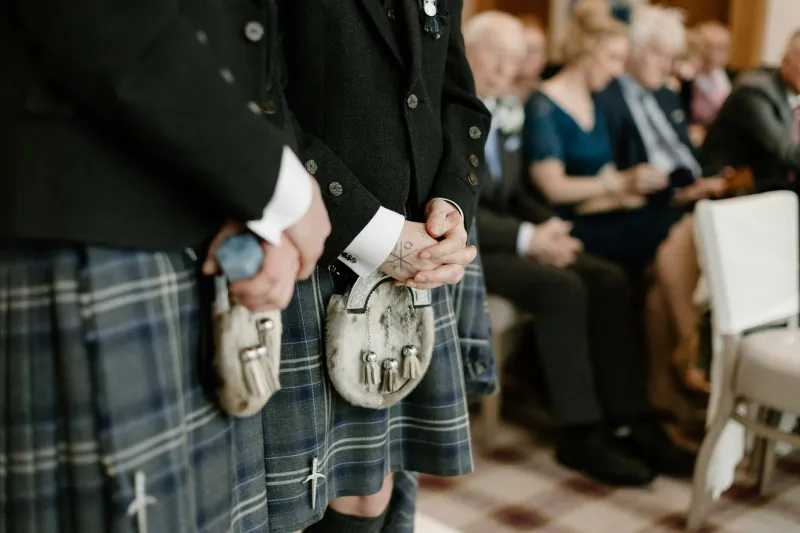
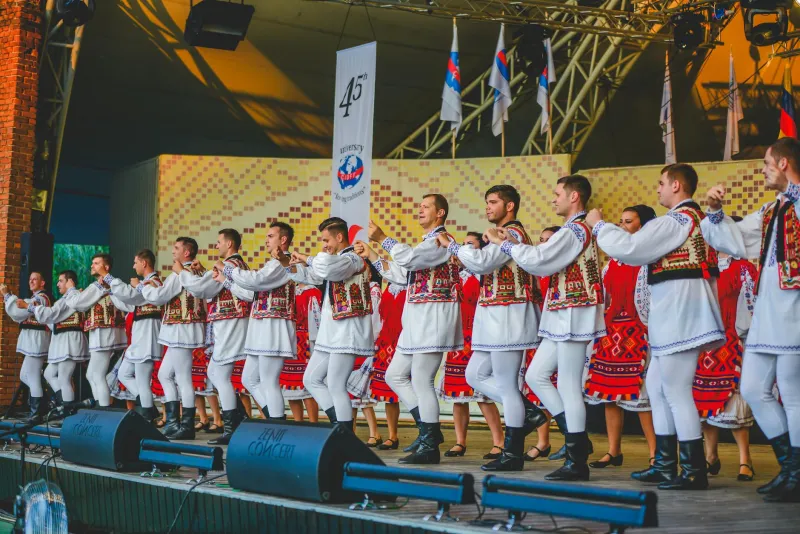
The village hall in Pitlochry is buzzing with energy. Fiddles tune up, accordions wheeze to life, and thirty-odd dancers form sets across the wooden floor. To the untrained eye, it's simply another Scottish country dance evening. But look closer, and you'll witness one of the most comprehensive leg workouts available anywhere in the UK.
"I started coming to ceilidhs to meet people after moving to Scotland," explains Emma Richardson, originally from Surrey. "Six months later, my thighs were rock solid, and I'd never felt stronger on my feet. My Pilates instructor couldn't believe the change."
Emma's experience isn't unique. Across Scotland – and increasingly throughout the UK – country dancing enthusiasts are discovering that their weekly dose of traditional music and community spirit comes with an unexpected bonus: legs of steel.
The Science Behind the Spectacle
Dr. Hamish MacLeod, a sports scientist at the University of Edinburgh who specialises in traditional Scottish activities, has been studying country dancing's physical demands. His findings are remarkable.
"A typical two-hour ceilidh session burns between 400-600 calories," he explains. "But more importantly, the specific movement patterns engage muscle groups in ways that conventional exercise simply can't replicate. We're seeing improvements in explosive power, lateral stability, and muscular endurance that rival elite athletic training."
The secret lies in the dance itself. Scottish country dancing combines:
- Rapid directional changes (every 8-16 beats)
- Explosive jumping movements (in reels and jigs)
- Sustained aerobic activity (dances last 5-8 minutes each)
- Precise footwork requiring constant muscle engagement
- Partner lifting and support (in some formations)
"It's essentially high-intensity interval training with a social element," notes Dr. MacLeod. "The music dictates the pace, so dancers can't slack off or take breaks when it gets tough."
The Highland Advantage: Explosive Power Development
The most obvious leg-building element in Scottish dancing is the jumping. Highland flings, sword dances, and energetic reels all feature explosive upward movements that would make any plyometric coach proud.
"The Highland fling alone is like doing jumping squats for three minutes straight," laughs Morag Campbell, who teaches country dancing in Glasgow. "But because you're focused on the steps and the music, you don't realise how hard you're working until the dance ends and your legs are screaming."
These jumps aren't just about height – they require precise control and landing mechanics. Dancers must land softly to maintain rhythm and protect their joints, developing the kind of neuromuscular control that prevents injuries and builds functional strength.
Jamie Stewart, a former rugby player who discovered country dancing after retirement, puts it perfectly: "I thought I knew what leg strength was from rugby training. But dancing taught me about leg finesse – the ability to be powerful and controlled at the same time."
Strip the Willow: The Ultimate Lateral Training
One of Scottish country dancing's signature moves is the progressive reel, particularly in dances like Strip the Willow. Dancers weave between partners in a continuous lateral movement that challenges the hip abductors, adductors, and stabilising muscles in ways that forward-backward gym movements simply can't.
"I used to get knee pain from running," shares Alice Thomson, a regular at Edinburgh's weekly ceilidhs. "My physio said my lateral stability was terrible. Six months of Strip the Willow later, and I'm running pain-free for the first time in years."
This lateral training is crucial for real-world leg strength. Most daily activities – stepping around obstacles, changing direction while walking, maintaining balance on uneven surfaces – require lateral muscle engagement that traditional squats and lunges don't adequately address.
The Endurance Element: Dancing Through the Night
A proper ceilidh isn't a quick workout – it's an endurance event. Dancers typically perform 12-15 dances over two to three hours, with only brief intervals between sets. This sustained activity builds the kind of muscular endurance that serves dancers well beyond the dance floor.
"I work as a postwoman," explains Fiona MacDonald from Inverness. "Since I started country dancing two years ago, I can walk my entire route without my legs feeling tired. My colleagues half my age are struggling by lunchtime, but I'm still going strong."
The endurance benefits extend beyond just muscular stamina. The cardiovascular demands of continuous dancing improve blood flow to the legs, supporting recovery and adaptation. It's active recovery disguised as entertainment.
Technique Matters: Precision Under Pressure
Unlike many forms of exercise where sloppy form is merely inefficient, country dancing demands precision. Miss a step, and you'll disrupt the entire set. This requirement for accuracy under physical stress develops exceptional motor control and muscle coordination.
"Every step has to be exact," notes dance teacher Robert Burns (yes, really – and he's heard all the jokes). "Your legs have to be strong enough to execute the movement, but controlled enough to place your foot exactly where it needs to go. It's strength and skill combined."
This precision training translates beautifully to everyday activities. Dancers report better balance, improved coordination, and increased confidence in their movement – benefits that extend far beyond stronger legs.
The Social Strength Factor
Perhaps the most underrated aspect of Scottish country dancing's leg-building potential is its social element. Unlike solitary gym sessions, dancing provides built-in motivation and accountability.
"You can't just stop when you get tired," explains newcomer David Wright from Manchester. "Your partner is depending on you, the set needs you to keep going, and the music doesn't stop. I've pushed through fatigue barriers I never knew I had."
This social pressure – in the best possible way – ensures dancers work harder than they might alone. The result is consistent progression and adaptation.
Your Scottish Strength Training Programme
Ready to harness the power of Scottish country dancing for your own leg development? Here's how to get started:
Find Your Local Scene
- Search for Scottish country dance societies in your area
- Many welcome beginners with no experience
- Most provide instruction before social dancing begins
Build Your Foundation
- Start with basic steps: skip change, pas de basque, setting
- Practice balance and coordination exercises at home
- Focus on light, precise footwork rather than heavy stepping
Progress Systematically
- Begin with simpler dances (country dances vs. Highland flings)
- Gradually increase session frequency and duration
- Challenge yourself with more complex formations as skills develop
Embrace the Culture
- Learn about the history and tradition behind the dances
- Invest in proper footwear (ghillies or dance shoes)
- Attend festivals and competitions for inspiration
Beyond the Kilt: Modern Applications
While rooted in tradition, Scottish country dancing's training benefits are thoroughly modern. The movement patterns, energy demands, and skill requirements align perfectly with current understanding of functional fitness and athletic development.
"We're essentially doing what sports scientists now recommend," observes Dr. MacLeod. "Multi-directional movement, plyometric training, endurance work, and skill development – all wrapped up in an enjoyable social activity that people actually want to do consistently."
For UK fitness enthusiasts seeking an alternative to conventional leg training, Scottish country dancing offers something unique: a workout that builds physical strength while connecting you to cultural heritage and community. In a world of isolated gym sessions and solo runs, there's something powerful about building stronger legs while building stronger social bonds.
So whether you're Scottish by birth or simply Scottish at heart, consider trading your next leg day for a ceilidh. Your thighs – and your social calendar – will thank you for it. After all, when it comes to building championship-level legs, sometimes the best training ground isn't a gym or a track – it's a village hall filled with music, laughter, and the timeless steps of Scotland's dancing tradition.