The Great British Leg Day Revolution
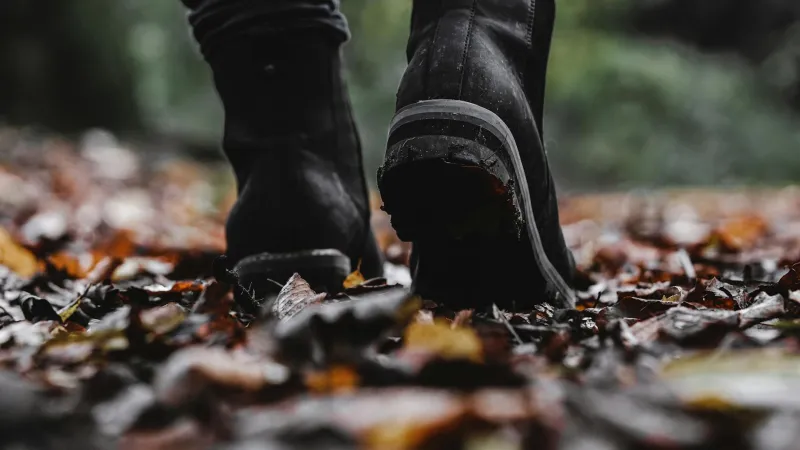
Whilst the rest of the world obsesses over CrossFit boxes and boutique fitness studios, Britain has been quietly perfecting the ultimate lower-body workout for centuries. It doesn't require lycra, monthly subscriptions, or motivational Instagram quotes. It just needs a decent pair of walking boots and the British instinct to head outdoors when the weather's half-decent.
Our walking culture isn't just a charming national quirk – it's an accidental fitness phenomenon that's been building stronger, more resilient legs across the nation. From the Pennine Way to your local canal towpath, every step on uneven terrain is a micro-workout that gym machines simply can't replicate.
Why Your Sunday Stroll Beats the Gym
Sarah Mitchell, a 34-year-old teacher from the Peak District, discovered this truth by accident. "I'd been struggling with expensive gym memberships for years, dreading leg day and feeling intimidated by all the equipment," she explains. "Then I started walking the local moors every weekend with my partner. Within three months, I noticed my thighs were stronger than they'd ever been – and I was actually enjoying it."
The science backs up Sarah's experience. Unlike the repetitive, single-plane movements of gym machines, walking on varied terrain engages every muscle in your legs through constantly changing angles and surfaces. Your quadriceps work overtime on steep ascents, whilst your hamstrings and glutes fire up to control your descent. Meanwhile, your calves and stabilising muscles are constantly adjusting to roots, rocks, and uneven ground.
Dr. James Hartwell, a sports physiologist at Leeds University, explains: "Traditional gym exercises isolate specific muscle groups, but walking on natural terrain creates functional strength patterns that translate directly to everyday life. You're not just building muscle – you're developing proprioception, balance, and the kind of resilient strength that prevents injuries."
The Terrain That Transforms
Britain's diverse landscape offers a natural progression system that would make any personal trainer jealous. Gentle canal paths provide the perfect starting point for building endurance, whilst the undulating terrain of the South Downs challenges your legs in ways a treadmill never could.
"I started with flat walks along the Thames Path," says Marcus Thompson, a 42-year-old accountant from Reading who's lost two stone and gained serious leg strength through walking. "Gradually, I progressed to the Chiltern Hills, then the Cotswolds. Each type of terrain taught my legs something different. Now I can tackle Snowdonia without my thighs screaming in protest."
The beauty lies in the variety. Muddy bridleways force your muscles to work harder for stability. Rocky coastal paths demand precise foot placement that strengthens your ankles and improves balance. Even something as simple as walking on sand requires 1.6 times more energy than walking on firm ground – nature's own resistance training.
The Pub Walk: Britain's Perfect Training Programme
Perhaps no tradition captures this accidental fitness philosophy better than the classic pub walk. The promise of a proper Sunday roast and a pint provides the perfect motivation, whilst the journey there delivers a comprehensive leg workout disguised as leisure.
"We've been doing the same 8-mile circular walk to the Red Lion in Little Missenden for three years now," laughs Emma Watson, a 29-year-old marketing manager from Amersham. "My fitness tracker tells me I burn about 600 calories, but more importantly, my legs feel amazing. It's like having a personal trainer who happens to serve excellent ale."
The psychological benefits are equally powerful. Unlike the clinical environment of a gym, countryside walking offers mental restoration alongside physical challenge. The combination of fresh air, changing scenery, and social interaction makes exercise feel less like punishment and more like pleasure.
Your Countryside Leg Workout Guide
Ready to transform your weekend walks into serious leg training? Here's how to maximise the strength-building potential of your next countryside adventure:
Start Smart: Begin with 3-5 mile walks on mixed terrain. Choose routes with gentle hills and varied surfaces to challenge different muscle groups.
Embrace the Incline: Seek out hills and gradients. Walking uphill at a 10% grade can increase calorie burn by up to 50% whilst seriously challenging your quads and glutes.
Add Intentional Challenges: Incorporate walking lunges up steep sections, or take longer strides on flat terrain to increase the stretch and activation in your legs.
Mind Your Pace: Vary your walking speed throughout your route. Quick bursts up hills followed by recovery periods create an interval effect that builds both strength and endurance.
Choose Your Terrain Wisely: Soft surfaces like grass and woodland paths require more stabilisation, whilst rocky or uneven ground challenges your proprioception and ankle strength.
The Body-Positive Path Forward
What makes Britain's walking culture so powerful is its inherent inclusivity. There's no dress code, no membership fees, and no judgment. Your legs don't need to look a certain way to benefit from this natural strength training – they just need to carry you forward.
"The best thing about discovering walking for fitness is that it meets you where you are," reflects Sarah Mitchell. "Whether you're starting from complete inactivity or you're already fit, the countryside will challenge you appropriately. Your legs will adapt and strengthen naturally."
This weekend, instead of dreading another expensive gym session or scrolling through intimidating fitness content, lace up your walking boots and head for your nearest footpath. Britain's greatest leg workout is waiting just outside your door – no membership required, just the willingness to put one foot in front of the other.
Your thighs will thank you for it.