Mud, Muscle and Miles: The Brutal Leg Workout Hidden Inside British Farm Life
There's a particular kind of strength that doesn't come from a squat rack. It doesn't arrive via a carefully periodised training block or a protein shake. It builds slowly, day after day, through cold mornings, heavy loads, and terrain that actively tries to pull your wellies off. It's the strength of Britain's farming community — and their legs are something else entirely.
While the rest of us are debating rep ranges and debating whether Romanian deadlifts count as a leg exercise, the UK's 476,000 agricultural workers are quietly building some of the most functional, powerful lower bodies in the country. No gym required. No rest days scheduled. Just relentless, purposeful movement across some of Britain's most demanding terrain.
The Biomechanics Behind the Bale
Let's start with the science, because what's happening inside a farmer's legs during a typical working day is genuinely fascinating.
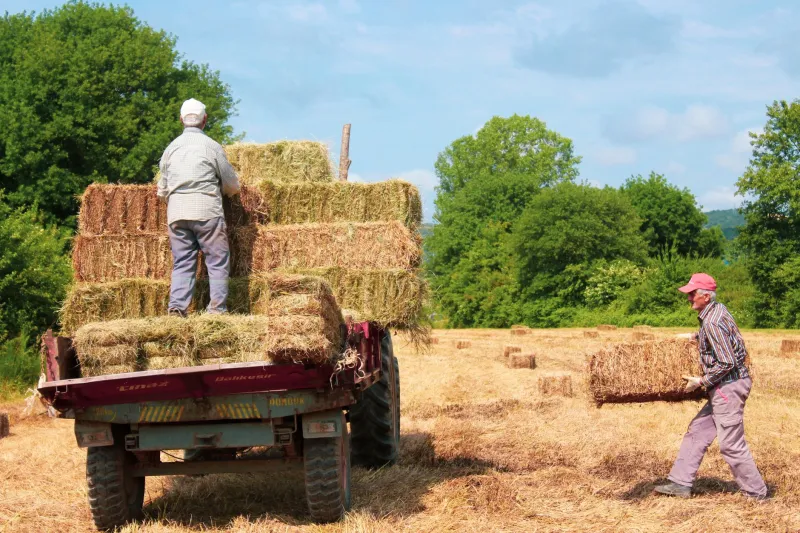
Hauling hay bales — a task that can see workers shifting 20kg to 30kg loads repeatedly across uneven ground — demands not just quad and hamstring strength but extraordinary stabiliser engagement throughout the entire lower limb chain. Every step across a rutted field requires the ankle, knee, and hip to work in constant negotiation with unpredictable surfaces. Compare that to a treadmill, where the ground literally does half the work for you, and you start to understand why farm legs are built differently.
Mucking out stables is another masterclass in functional leg training. The repeated squat-and-scoop motion — performed for extended periods, often in confined spaces — is essentially a high-rep goblet squat session with added grip work and a less pleasant aroma. The asymmetrical loading involved in shifting a full wheelbarrow challenges the hip abductors and adductors in ways that most gym machines simply cannot replicate.
Then there's the walking. Not your weekend ramble — proper agricultural walking, across ploughed fields, up and down hillside pastures, through ankle-deep mud that adds resistance to every single stride. Research from the University of Exeter has shown that walking on uneven terrain increases lower limb muscle activation by up to 40% compared to flat surface walking. Farmers do this for hours. Every single day.
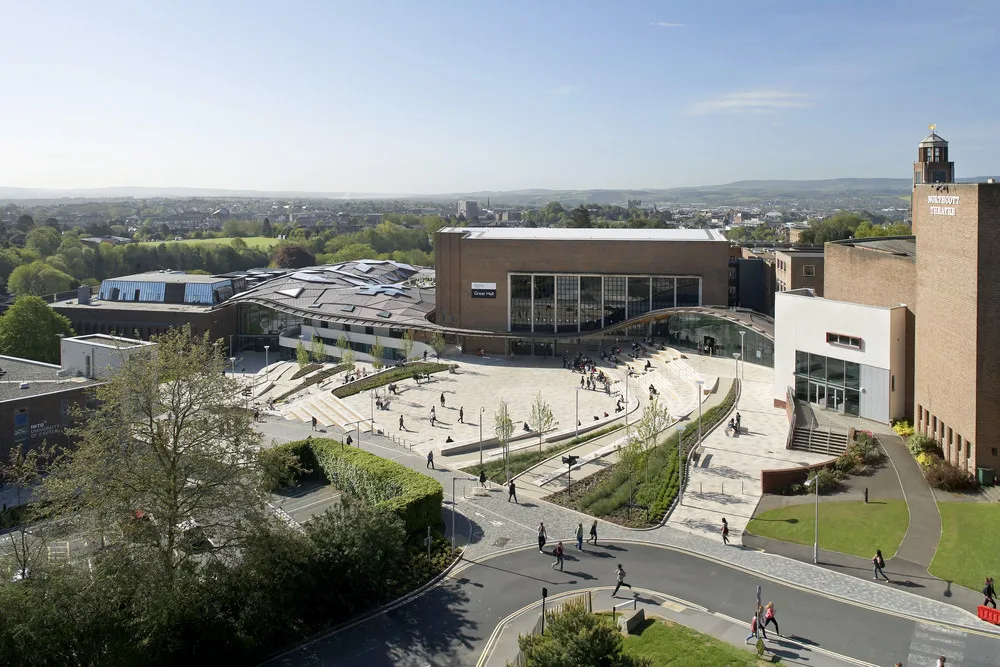 Photo: University of Exeter, via www.theexeterdaily.co.uk
Voices From the Field
We spoke to Jess Hartley, a 34-year-old sheep farmer based in the Yorkshire Dales, who laughed when we asked whether she'd ever considered joining a gym.
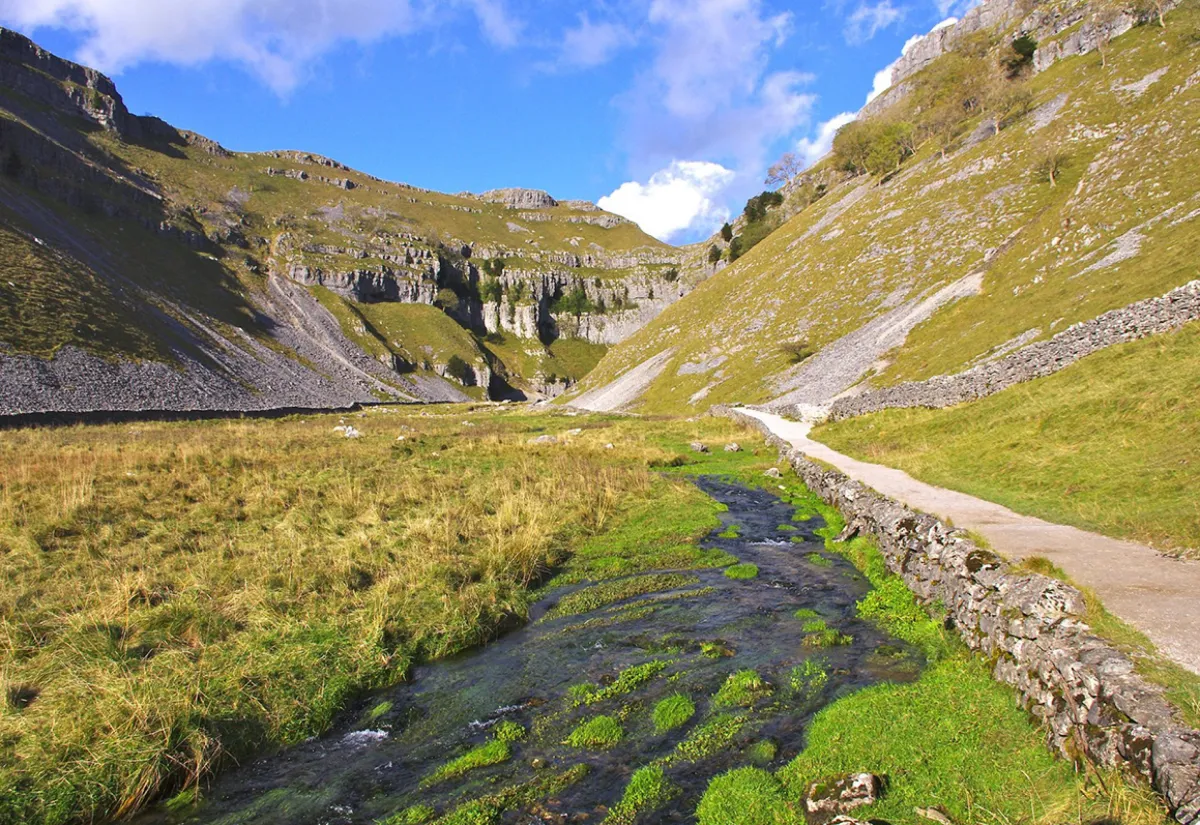 Photo: Yorkshire Dales, via www.hawthornscaravanpark.co.uk
"I did go once, about five years ago. A mate dragged me along. The leg press felt like nothing — I kept adding weight and the instructor started looking a bit worried. I think I was doing it wrong, but honestly I just didn't feel it the way I feel it after a day on the hill."
Jess estimates she covers between eight and fourteen miles on foot during a typical working day during lambing season, much of it across steep, uneven moorland. Her calves, she notes with no particular vanity, are "absolutely solid."
Over in Somerset, dairy farmer Tom Brierley, 51, describes his morning routine as "the world's least glamorous circuit class." Up at 4:30am, the first two hours involve moving between the milking parlour and feed stores, squatting repeatedly to check udder health, and hauling feed sacks that weigh the better part of 25kg each. "My knees are brilliant," he says. "Always have been. My GP is baffled."
That last point matters. Conventional wisdom suggests that heavy repetitive loading should batter joints over time. Yet many long-serving agricultural workers report robust joint health well into their fifties and sixties — something sports scientists increasingly attribute to the varied, multi-directional nature of farm movement, which builds the supporting musculature that protects joints far more effectively than linear gym-based exercise.
What the Experts Say
Physiotherapist Carla Singh, who works with rural communities across the East Midlands, has observed the phenomenon first-hand.
"What farming does exceptionally well is load the legs in every plane of movement, across constantly varying terrain, for sustained periods," she explains. "You're getting strength, endurance, proprioception, and stability all at once. It's genuinely very hard to replicate that in a controlled gym environment — though it's not impossible to get closer to it than most people try."
Carla points specifically to the posterior chain benefits of uphill walking with load — a daily reality for hill farmers — as something gym-goers dramatically underestimate. "Walking uphill with a weighted pack does things for the glutes and hamstrings that most conventional programmes simply don't prioritise," she says.
Farm-Inspired Moves You Can Actually Do at Home
You don't need a flock of Herdwicks or a tractor to borrow some of this agricultural leg magic. Here are five farm-life-inspired movements worth adding to your training:
The Bale Carry Walk — Load up a heavy sandbag or a pair of heavy dumbbells and walk for distance. Keep the load asymmetrical (one side at a time) to mimic the uneven carrying demands of farm work. Your hip stabilisers will thank you — eventually.
The Muck Out Squat — Perform a goblet squat holding a single heavy kettlebell, but add a lateral shuffle step at the bottom of each rep. This replicates the confined-space, multi-directional demands of stable work.
Uphill Loaded Carries — Find a hill (there are plenty in Britain) and walk up it with a rucksack loaded with 10-15% of your bodyweight. Do this weekly and your posterior chain will transform.
The Uneven Terrain Lunge — Take your lunges off the gym floor and onto grass, gravel, or a gentle slope. The instability forces your smaller stabilising muscles to engage in ways that polished gym flooring never demands.
The Wheelbarrow Push — Load a wheelbarrow (or a loaded sled if you're gym-based) and push for distance. The forward lean and sustained quad engagement is a brilliant finisher that leaves most people genuinely surprised by how hard it hits.
The Bigger Picture
There's something quietly profound about the fact that Britain's most functional legs belong to people who've never once thought about leg day. For the farming community, strength isn't a goal — it's a byproduct of doing what needs doing, day after day, in all weathers, across land that doesn't care about your programme design.
That's not to say structured training isn't valuable. It absolutely is. But there's a lesson here for anyone who's been stuck in the same gym routine for too long, grinding through the same bilateral exercises on the same flat floor, wondering why their progress has stalled.
Variety. Load. Terrain. Purpose. Britain's farmers have been nailing all four since long before the first commercial gym opened its doors.
Maybe it's time the rest of us got our boots muddy.