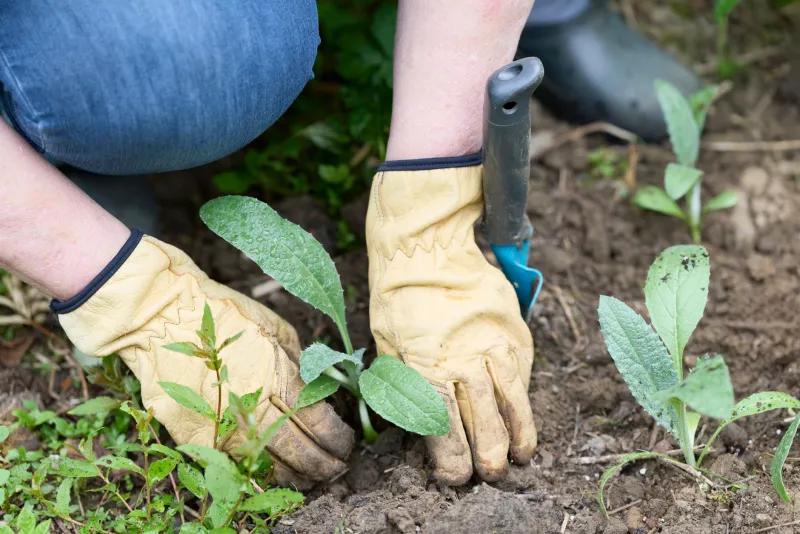
Dig Deep: Why Your Weekend Garden Project Is the Leg Day Programme You Never Knew You Needed
Let's be honest. The British relationship with the garden is unlike anything else in the world. We obsess over it, argue about it, spend money we don't have on it, and then spend entire weekends bent double in it — all while insisting it's "just a hobby." But what if those long Saturdays shifting gravel and digging out compacted clay were doing something rather remarkable to your legs?
Because they are. And it's time we talked about it properly.
Soil, Sweat and Squats: The Biomechanics of Garden Work
Here's what a personal trainer sees when they watch someone dig a garden border: a Romanian deadlift transitioning into a squat, repeated dozens of times, under load, on unstable ground. Here's what the gardener sees: Tuesday's mess, finally getting sorted.
The disconnect between these two perspectives is costing a lot of people some genuinely excellent training stimulus.
Digging is perhaps the most underrated compound movement in existence. The action of driving a spade into compacted earth requires you to brace your core, load through your hips, push through your lead leg and then hinge back upward with a full hip extension. That's a hinge pattern — the same fundamental movement as a deadlift or a kettlebell swing — performed with the added variables of rotational load, awkward angles and ground that doesn't stay still. Your stabilisers have to work overtime.
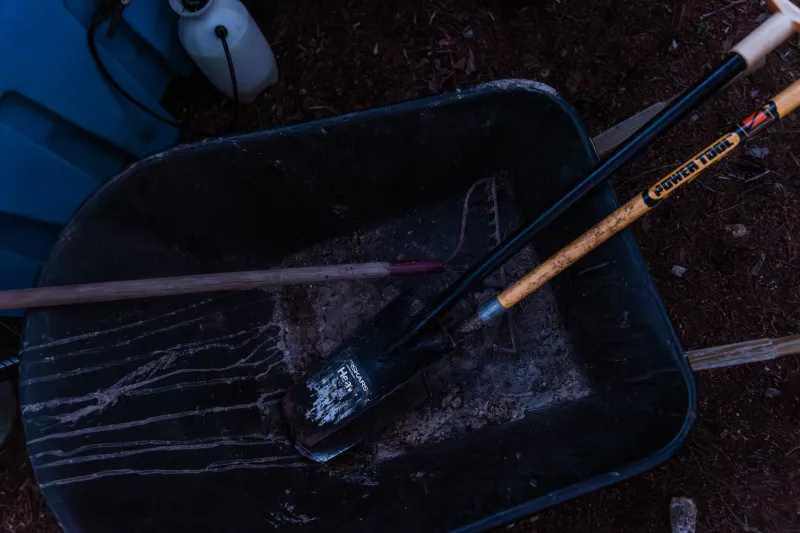
Hauling a wheelbarrow is a different beast entirely. Grip strength, shoulder endurance and lower-back engagement all play a role, but the real work happens in your legs. Pushing a loaded barrow across uneven lawn or gravel requires continuous quad and glute activation, particularly when navigating inclines or soft patches where the wheel sinks. It's a loaded carry with built-in resistance variation, and resistance variation is exactly what drives muscular adaptation.
Then there's the squat-dominant work: planting, edging, laying turf, positioning stepping stones. Hours of holding a low position, shifting weight from one foot to the other, rising and descending repeatedly. No gym machine replicates the cumulative volume of a full day's planting session.
How British Gardening Culture Makes This Even Better
There's a reason this kind of functional fitness resonates particularly deeply in the UK. British gardening isn't the gentle, meditative practice it's sometimes portrayed as. We're dealing with clay soil that could stop a digger, slopes that weren't designed with human comfort in mind, and weather that means you're often working in conditions that would shut down a gym class.
The average British garden project — building a raised bed, laying a patio, installing a pond, reshaping a lawn — involves a genuinely demanding physical effort spread across multiple weekends. Unlike a gym session, there's no stopping when the timer beeps. The job isn't done until it's done, which means your legs are under load for far longer than any structured workout would typically prescribe.
This is, from a physiological standpoint, a feature rather than a bug. Extended duration under moderate load builds muscular endurance and structural resilience in ways that shorter, more intense sessions simply can't replicate as efficiently. Your tendons, ligaments and connective tissue adapt to sustained effort over time, which is one reason experienced gardeners often have remarkably robust lower bodies.
Programming Your Garden for Maximum Leg Gains
This is where it gets interesting. If you're going to spend the weekend landscaping anyway, why not structure the work in a way that maximises the training benefit? You don't need to turn your garden into a CrossFit box — you just need to be a little more intentional.
Start with the heavy stuff. Treat your most demanding physical tasks — shifting bags of compost, moving flagstones, digging out roots — as your "working sets." Do them early in the day when you're fresh and your form will be better. Fatigue leads to compensatory movement patterns, and in a garden setting, that's how backs get tweaked.
Use a full range of motion. When you're digging, actually squat down rather than bending at the waist. When you're lifting a bag of topsoil, hinge from the hips and drive through your heels to stand. These aren't just safety tips — they're the difference between accidentally training your legs and deliberately training them.
Build in loaded carries. The wheelbarrow is your best friend here. Resist the temptation to make multiple light trips; instead, load it properly and push it the full distance. Vary your routes if possible, including any inclines your garden offers. The uneven resistance is valuable.
Embrace the squat hold. When you're planting or edging, hold a proper squat position rather than kneeling. Yes, it's harder. Yes, your thighs will burn. That's the point. Even twenty minutes of sustained low-position work across a gardening session represents meaningful training volume.
Cool down with a stretch. After a full day of gardening, your hips, hamstrings and calves will be tight. Five minutes of basic stretching — a hip flexor stretch, a standing hamstring stretch, a calf drop off a step — will help maintain mobility and reduce the soreness that might otherwise put you off doing it again next weekend.
The Projects That Deliver the Most Leg Work
Not all garden jobs are created equal from a fitness standpoint. If you're choosing between projects, here's a rough guide to which ones will do the most for your lower body.
Building raised beds involves sustained digging, heavy lifting of timber and soil, and repeated squat-to-stand movements. It's an excellent full-session workout disguised as a weekend project.
Laying a patio requires kneeling, squatting, carrying heavy slabs and tamping down base material. The slab-carrying element in particular is a serious bilateral leg exercise — you're essentially doing a heavy Zercher carry every time you move a flagstone into position.
Reshaping a lawn — cutting new edges, removing turf, levelling ground — involves long periods of low-level work and significant digging. If your lawn has any slope to it, the asymmetric load this creates is an unexpectedly effective single-leg training stimulus.
Moving mature plants or shrubs is deceptively demanding. Root systems cling hard, which means you're often pulling against significant resistance before any movement happens. This is grip, upper body and leg work combined.
Why This Beats the Gym for a Lot of People
Look, we're not here to tell you to cancel your gym membership. But for a significant portion of the UK population — particularly those who find the gym environment alienating, expensive or simply boring — functional outdoor work offers something that a weights room never quite can: a reason to do it that has nothing to do with fitness.
When the motivation is "I want my garden to look nice" rather than "I should exercise," the psychological barrier drops significantly. You're not dreading a workout; you're tackling a project. The fitness is a side effect, but it's a very real one.
Britain has 27 million gardens. That's 27 million potential outdoor gyms, sitting there waiting to build the nation's legs one spade-load at a time.
Get digging.