The Burn Is Lying to You: What Fell Race Medics Know About Leg Recovery That Most Gym-Goers Get Completely Wrong
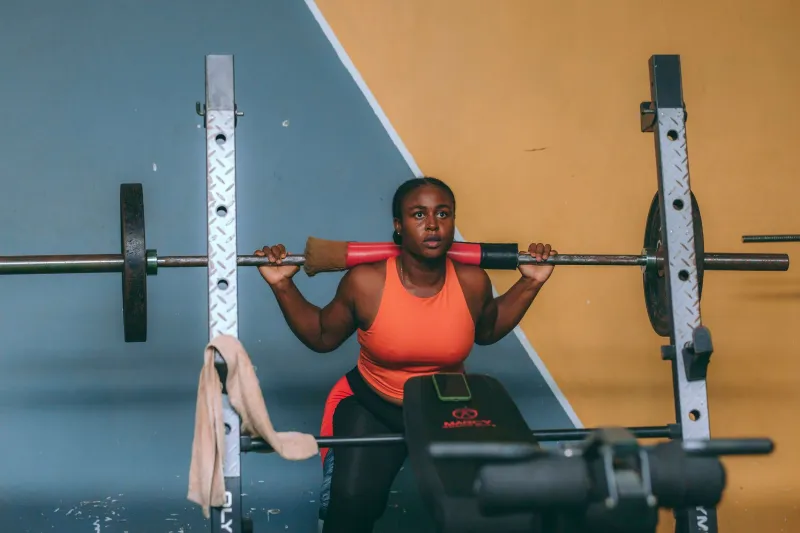
You know the feeling. You've smashed a proper leg session — squats, lunges, maybe a hill sprint or two — and two days later you're shuffling to the kettle like you've aged forty years overnight. You blame lactic acid. Everyone blames lactic acid. It's practically a British fitness tradition at this point.
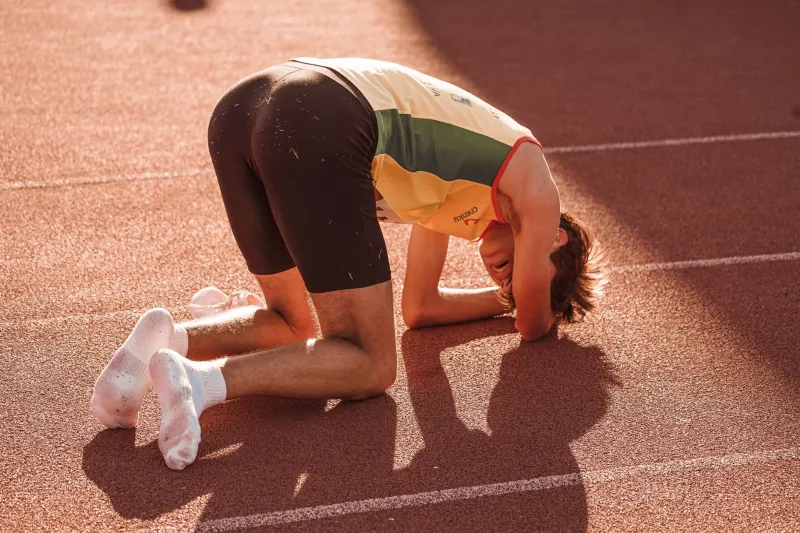
Except the lactic acid almost certainly isn't the culprit. And the sports medicine professionals who spend their weekends crouched at finish lines in the Pennines, the Lake District, and the Brecon Beacons — stitching up blisters, assessing twisted ankles, and monitoring exhausted fell runners — have been quietly shaking their heads at this myth for years.
We tracked down some of the people who know leg pain better than almost anyone in the country, and what they told us should change the way you approach recovery entirely.
The Lactic Acid Myth, Finally Buried
"I still hear this constantly," says Dr. Miriam Holt, a sports medicine physician who volunteers at several fell races across the Yorkshire Dales each year. "People finish a race or a hard training session, feel that deep ache in their quads the next day, and immediately say it's the lactic acid. But lactic acid — or more precisely, lactate — clears from your muscles within an hour or two of stopping exercise. It's not sitting in your legs two days later causing grief."
What is causing that grief? The answer is DOMS — Delayed Onset Muscle Soreness — and it's a considerably more complex beast. DOMS arises from microscopic damage to muscle fibres, particularly following eccentric contractions. That means the downhill sections of a fell race, the lowering phase of a squat, the descent of a lunge — these are the moments that actually create the soreness you'll feel on Thursday after a Tuesday session.
"Eccentric loading is brilliant for building strength," Dr. Holt explains, "but it's also the primary driver of that inflammatory response. The soreness is essentially your body's repair process in action. It's not damage to be afraid of — it's adaptation happening."
Why Fell Runners Experience DOMS Differently
Fell running is one of the most brutally eccentric-heavy sports imaginable. Descending a rocky hillside at speed forces the quadriceps to act as brakes, absorbing enormous load with every footfall. You'd expect fell runners to be perpetually wrecked. Many beginners are. But experienced fell runners tend to recover faster than their road-running counterparts — and the medics who support these events have some interesting theories as to why.
"Repeated bout effect," says physiotherapist Dan Callaghan, who works with several fell running clubs in the Lake District. "When you regularly expose your muscles to eccentric stress, they adapt. The damage response diminishes. Your body becomes more efficient at repairing itself. We see this in experienced fell runners all the time — they can race on Saturday, feel a bit stiff on Sunday, and be back out on Monday without much issue."
This is excellent news for anyone doing regular leg training. Consistency doesn't just make you stronger — it makes your recovery faster. The first time you do a heavy squat session might leave you limping for four days. Three months in, the same session might cause only mild stiffness by the following morning.
What the Evidence Actually Says About Recovery Strategies
Here's where things get genuinely interesting — and where the wellness industry has been selling you a lot of expensive nonsense.
Cold water immersion: The fell running community has long embraced this one, partly because a post-race dip in a Lakeland stream is unavoidable and partly because it genuinely works. Research supports cold water immersion as a short-term strategy for reducing perceived soreness and inflammation. "It's not magic," Dan Callaghan is quick to note, "but for athletes who need to perform again quickly, it can blunt the soreness enough to get back out there. Just don't rely on it exclusively."
Compression garments: Mixed evidence, but not useless. Several fell runners wear compression tights during long descents and in the immediate post-race period. The consensus from the medics we spoke to is that they probably help with perceived comfort and may reduce swelling, particularly in the lower legs. Whether they meaningfully speed up actual muscle repair is less clear.
Foam rolling: Ah, the sacred cylinder. "It probably helps with perceived tightness and range of motion," Dr. Holt says carefully. "But there's limited strong evidence that it speeds up actual muscle recovery at a cellular level. If it feels good and gets you moving, that's worth something. Just don't skip sleep to spend an extra hour rolling."
Sleep: Every single medic we spoke to mentioned sleep before we even asked. This is, without question, the most evidence-backed and most chronically neglected recovery tool available. Growth hormone release, protein synthesis, nervous system restoration — virtually every meaningful recovery process is amplified during deep sleep. "I'd trade any supplement or gadget for an extra hour of quality sleep," Dr. Holt says flatly.
Active recovery: Light movement — a gentle walk, easy cycling, swimming — promotes blood flow without adding additional muscle stress. Fell runners often do easy jogs the day after a race, and the data supports this approach over complete rest for reducing DOMS duration.
The Nutrition Side That Gets Ignored
One area where British gym culture particularly falls short, according to the professionals we spoke to, is post-exercise nutrition. "People obsess about protein shakes in the gym, then go home and eat barely anything for the rest of the day," Dan Callaghan observes. "Muscle repair requires sustained protein availability, not just one shake immediately after training."
Aiming for adequate protein spread across the day — rather than front-loading it immediately post-session — appears to support better recovery outcomes. Carbohydrate replenishment matters too, particularly for glycogen restoration in athletes training multiple times per week. Anti-inflammatory foods — oily fish, berries, leafy greens — are a genuine dietary support, not just Instagram wellness content.
What You Should Actually Do Differently
The practical takeaways from Britain's fell race medics are refreshingly unglamorous. Sleep more. Move gently on recovery days. Eat consistently and well. Train regularly enough that your muscles adapt to eccentric stress. Use cold water if it helps you feel better and you can access it — a cold shower works fine if a Lakeland tarn isn't handy.
Stop blaming lactic acid. Stop expecting a foam roller to undo inadequate sleep. And perhaps most importantly, stop fearing the soreness itself. That ache in your quads two days after a hard session isn't a sign you've broken yourself. It's evidence that your legs are rebuilding — stronger, more resilient, and more capable than before.
The fell runners hauling themselves up scree slopes in horizontal rain already know this. Now you do too.