Giddy Up, Glutes: The Surprising Leg Day Hiding Inside Britain's Pony Trekking Holidays
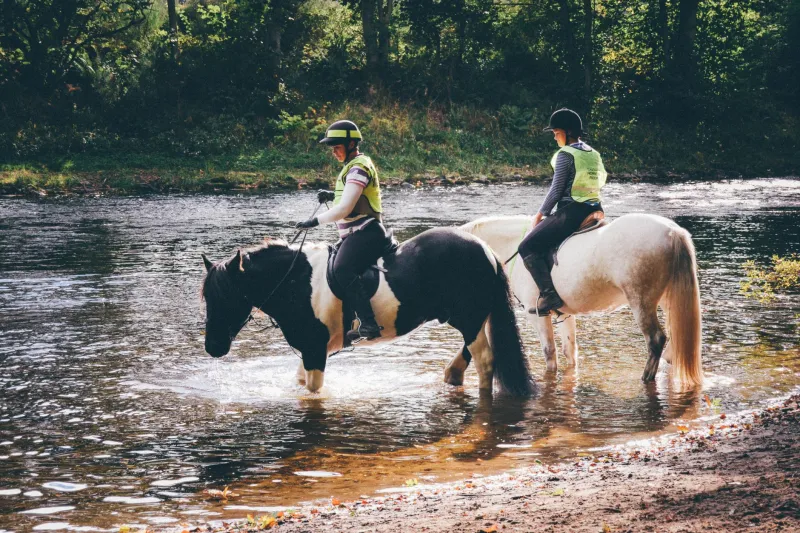
Giddy Up, Glutes: The Surprising Leg Day Hiding Inside Britain's Pony Trekking Holidays
Nobody warned Sarah Griffiths about the stairs.
The 34-year-old PE teacher from Swansea had spent a long weekend at a trekking centre in the Brecon Beacons, convinced she was in reasonable shape. Three hours on horseback across open moorland later, she hobbled back to her B&B and discovered muscles she'd genuinely forgotten existed. "I couldn't get down to the toilet without holding the wall," she admits, laughing. "My inner thighs were absolutely furious with me. I'd done leg day at the gym the week before and felt nothing like that."
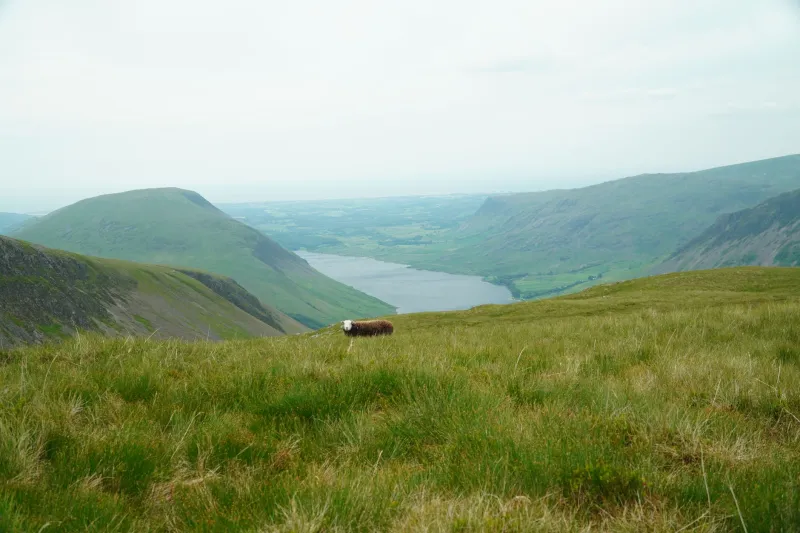
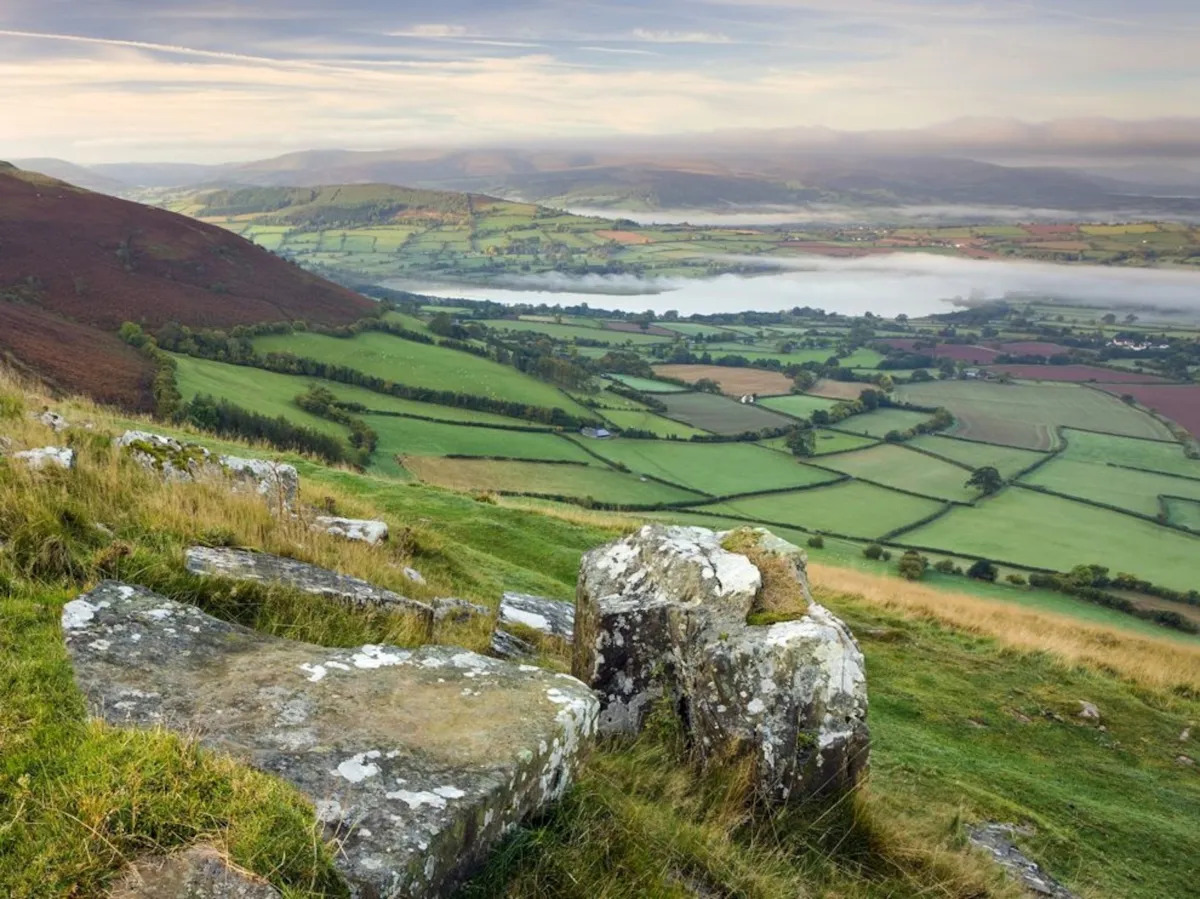 Photo: Brecon Beacons, via i.natgeofe.com
Sarah is far from alone. Across Wales, the Lake District, Dartmoor, and the Scottish Borders, pony trekking centres are reporting a surge in bookings from adults who fancy something a bit different from their usual fitness routine — and discovering, sometimes painfully, that sitting on a horse is nothing like sitting on a sofa.
What's Actually Happening to Your Legs Up There
Let's be straight: pony trekking looks passive. You're not running, you're not lifting, you're not sweating through a spin class. But the moment you're in the saddle, your body is doing something quietly extraordinary.
"People come to us thinking they're just going for a scenic walk — except the horse is doing the walking," says Rhodri Evans, head instructor at Cwmdu Trekking Centre in Powys. "What they don't realise is that their body is in a state of constant micro-adjustment the entire time. Every step the horse takes, you're stabilising. Every slope, every turn, every uneven bit of ground — your legs and core are responding to all of it."
The primary culprits are the hip adductors — the inner thigh muscles responsible for gripping and stabilising the saddle. These are muscles that most gym programmes barely touch. Standard squats, lunges, and leg presses work the quads, hamstrings, and glutes beautifully, but the adductors tend to get a free pass. On horseback, they're suddenly doing the heavy lifting for hours at a stretch.
Then there are the hip flexors, kept in a state of sustained isometric contraction to maintain your position, and the stabilising muscles around the knee and ankle that fire continuously to stop you sliding around. Add in the gluteus medius — crucial for lateral stability — and you've got a lower-body workout that a sports scientist would actually respect.
Dr Priya Menon, a sports physiologist based in Leeds who has studied equestrian movement patterns, puts it plainly: "The sustained isometric demands on the inner thigh and hip complex during trekking are genuinely significant. If you trekked for three hours and then told me your adductors weren't sore the next day, I'd be surprised. These are muscles that most recreational gym-goers chronically underwork."
The First-Timer Effect
First-time riders consistently report the same post-trek experience: a very specific, very targeted soreness that arrives roughly 24 hours after dismounting and sets up camp for the better part of a week.
Marcus Webb, a 41-year-old project manager from Manchester, booked a two-day trek on Dartmoor as a birthday treat with his partner. He describes himself as "gym-adjacent" — someone who goes occasionally but wouldn't call it a passion. "By the end of day one, I could feel it building," he says. "By day two I was riding through genuine discomfort. Not pain, just this constant awareness that my legs were working really hard. The day after we got home I woke up and genuinely couldn't cross my legs. My inner thighs were like concrete."
For Marcus, it was a revelation. "I've never had a workout target that area like that. It made me think about how one-dimensional my training was."
Instructors at trekking centres across the country echo this experience. "We always warn people on day two," laughs Fiona Macallister, who runs a trekking operation near Keswick in the Lake District. "We've had very fit people — runners, cyclists, people who do CrossFit — absolutely humbled by a three-hour ride. The movement pattern is just so different from anything they've trained for."
Why It Works for People Who Hate the Gym
Here's where pony trekking becomes genuinely interesting from a body-positive fitness perspective. The gym isn't for everyone. The fluorescent lights, the mirrors, the unspoken performance anxiety — for plenty of people, it's a barrier rather than a gateway. Pony trekking offers something different: a genuine physical challenge wrapped inside an experience that's about landscape, animals, and fresh air.
"Nobody comes here thinking about their adductors," says Rhodri. "They come because they love horses, or because they want to see the countryside differently, or because they want an adventure. The fitness is just what happens. And I think that's brilliant, honestly."
Dr Menon agrees that this incidental exercise model has real value. "When people are motivated by the experience rather than the outcome, they tend to sustain the activity. And sustained activity is where the real gains come from."
How to Make the Most of It
If you're booking a trek and want to treat it as genuine training, a few pointers from the instructors are worth keeping in mind.
First, don't grip for your life. Counterintuitively, white-knuckling the saddle with your thighs actually limits the stabilising muscle engagement. A relaxed but active grip recruits more muscle across a greater range. Second, sit tall. Slouching collapses the core and dumps more load onto the lower back rather than distributing it properly through the hips and legs. Third, look ahead, not down — it keeps your posture open and your hip flexors in a healthier position.
And if you want to prepare beforehand? Rhodri recommends sumo squats and lateral lunges to wake up those neglected inner thigh muscles before your first session. Your future self — the one who can actually get down the stairs the morning after — will be grateful.
Where to Go
Britain is genuinely spoilt for trekking terrain. The Brecon Beacons and Snowdonia in Wales offer dramatic, varied ground that keeps your stabilisers firing constantly. Dartmoor's open moorland is brilliant for longer, flatter rides that build sustained endurance. The Lake District provides hills that'll have your glutes genuinely earning their keep. And for something truly spectacular, the Scottish Borders and Highland edges deliver terrain that'll test every muscle from the hip down.
Most centres cater to absolute beginners, and reputable operations will match you to a horse suited to your experience level and fitness. A half-day introductory trek is enough to give you a taste — and enough to give your adductors something to think about for the rest of the week.
So if you've been telling yourself you're not a gym person, maybe that's fine. Maybe your leg day just needs four legs instead of two.