Plunge, Kick, Haul: The Extraordinary Leg Workout Hidden Inside Britain's Wild Swimming Craze
Plunge, Kick, Haul, Repeat: The Extraordinary Leg Workout Hidden Inside Britain's Wild Swimming Craze
Somewhere in the Lake District right now, someone is standing on a rocky bank in a swimsuit, staring at a body of water that is, by any reasonable measure, absolutely freezing. They're about to wade in anyway. And in doing so, they're about to give their legs a workout that no gym session could fully replicate.
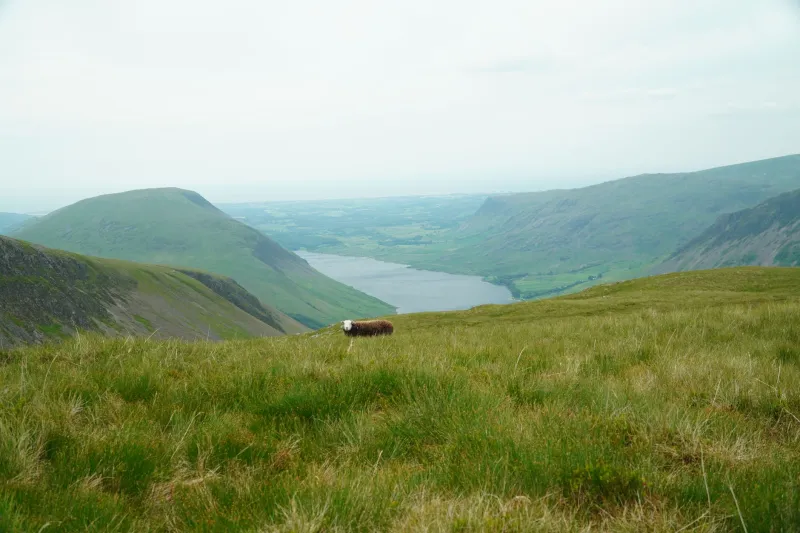
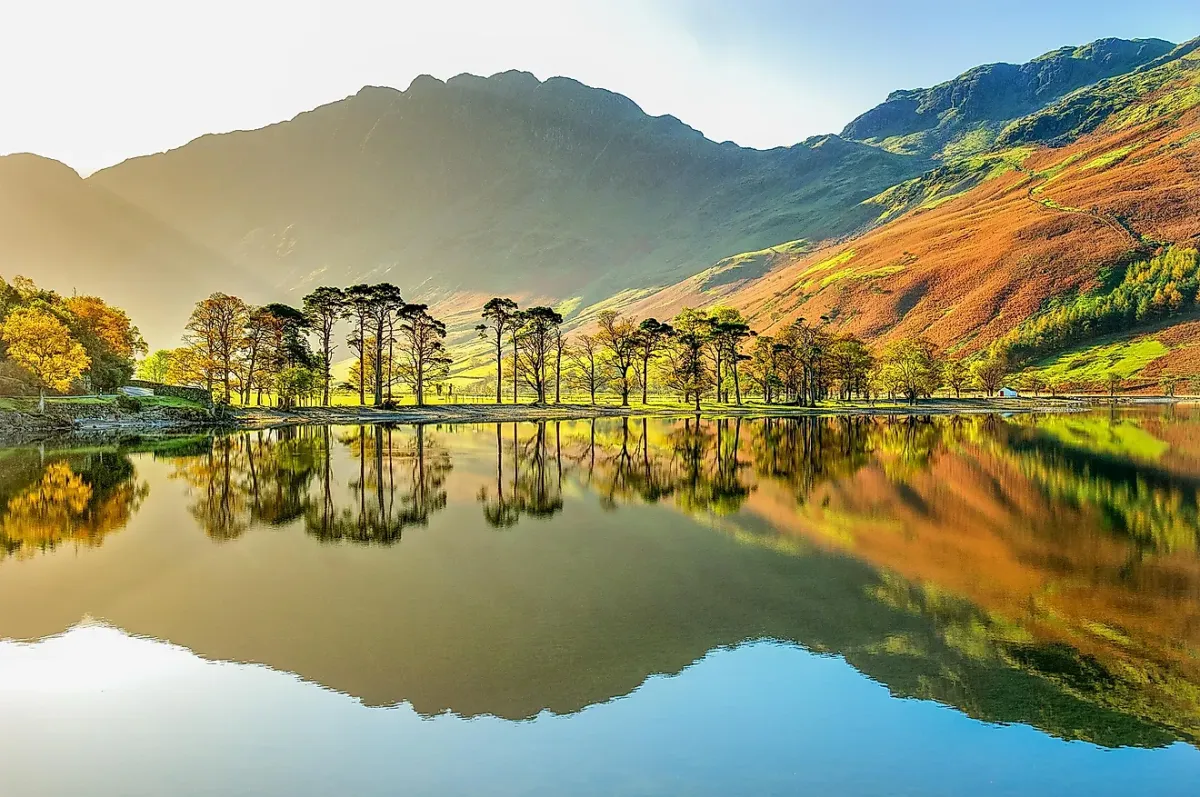 Photo: Lake District, via www.worldatlas.com
Wild swimming has exploded in Britain over the past five years. The pandemic sent people to rivers, lakes and coastal coves in their millions, and huge numbers of them never came back to the leisure centre. There are now dedicated wild swimming communities across every corner of the UK — from the peaty highland lochs of Scotland to the chalk streams of Hampshire, from the tidal pools of Cornwall to the reservoirs of the Peak District.
The conversation around wild swimming tends to focus on mental health, cold water therapy, and the meditative quality of being immersed in natural water. All of that is real and worth celebrating. But there's a parallel story that doesn't get nearly enough airtime — and it's one that anyone interested in building strong, resilient, capable legs should be paying close attention to.
Getting In Is a Workout in Itself
Forget the swimming for a moment. Just getting into a natural body of water is a physical challenge that most gym programmes completely ignore.
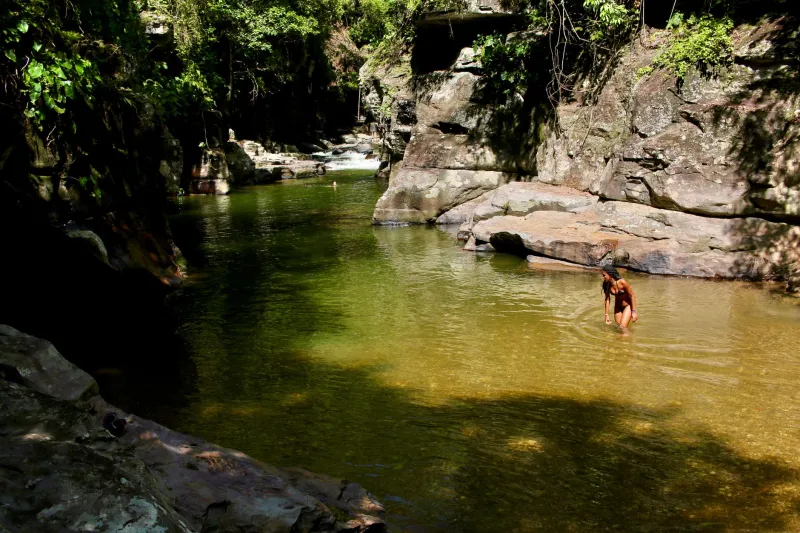
At the majority of Britain's popular wild swimming spots, there's no ladder. No gentle sloping pool floor. No handrail. What there is, typically, is a mix of slippery rocks, uneven gravel, submerged boulders, and terrain that shifts unpredictably underfoot. Navigating that — especially once the cold water starts hitting your shins and your nervous system begins its entirely justified protest — requires significant lower body strength and balance.
Your ankles are working constantly to stabilise over changing surfaces. Your glutes and quads are firing to control your descent into the water. Your hip flexors are lifting your feet high over obstacles. Before you've even started swimming, your legs have already done more proprioceptive work than a typical warm-up at most gyms.
Claire Ashworth, a wild swimming guide who leads groups in the Yorkshire Dales, sees this every week. "People are always surprised by how tired their legs feel after a swim, even if the actual swimming wasn't particularly hard," she says. "It's the getting in and getting out that does it. Your body is working incredibly hard to keep you stable and upright in conditions it's not used to."
The Cold Water Factor
Now let's talk about the temperature, because it matters more than you might think.
When you enter cold water — and British wild swimming water is cold, even in August — your body undergoes a rapid physiological response. Blood is shunted away from the extremities and towards the core. Your muscles cool down. And here's where it gets interesting from a training perspective: cold water immersion has a well-established role in muscle recovery.
Research published in sports medicine journals has consistently shown that cold water immersion can reduce delayed onset muscle soreness (DOMS), decrease inflammation, and improve the rate of recovery after intense exercise. Elite athletes have been using ice baths for decades. Wild swimmers are essentially doing this naturally, in a far more enjoyable setting, surrounded by scenery rather than a sterile changing room.
But cold water doesn't just help you recover. It also adds resistance. Water is approximately 800 times denser than air. Every movement you make — every kick, every push, every adjustment of position — requires more muscular effort than the same movement on land. Your legs are essentially working against resistance the entire time you're in the water.
Kicking: The Underrated Leg Day Component
Depending on your swimming style, your legs may be doing quite a lot of the actual propulsion work in the water. Breaststroke — the stroke most commonly used by recreational wild swimmers in Britain — involves a powerful frog kick that engages the inner thighs, hip flexors, hamstrings, and glutes in a sweeping, circular motion that is genuinely unlike anything you'd do in a gym.
Front crawl demands a continuous flutter kick that hammers the hip flexors and works the quads and hamstrings in a lengthened position. Even floating and treading water, which wild swimmers often do when taking in the view or chatting to fellow swimmers, requires constant low-level muscular engagement from the hips downward.
Swim in a river with any kind of current — the Thames near Oxford, the Dart in Devon, the Wye along the Welsh border — and your legs are working harder still, compensating for the lateral push of moving water, constantly correcting your position and trajectory.
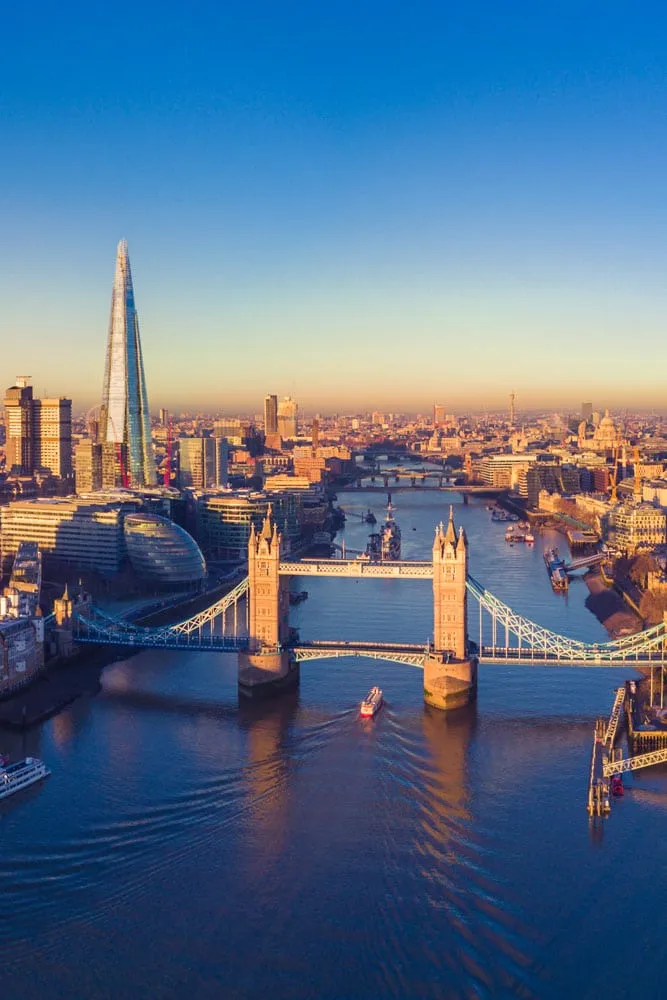 Photo: River Thames, via www.londonxlondon.com
Getting Out: Where the Real Gains Live
If getting in is a workout, getting out is a proper test.
After ten, twenty, or thirty minutes in cold water, your muscles are cooler, your coordination is slightly compromised, and your nervous system is running on high alert. Now you need to haul yourself back up over those same rocks, up that same uneven bank, potentially against a current, with wet feet on slippery surfaces.
This is where wild swimming becomes, in the most literal sense, a full lower body strength challenge. You're performing something close to a split squat or step-up under genuinely demanding conditions — fatigued, cold, on unstable terrain, with no spotter and no safety net. The functional strength required is significant, and it builds over time in ways that translate directly to everyday life.
"My legs have changed completely since I started wild swimming regularly," says Priya Nair, a thirty-one-year-old teacher who swims in Derbyshire's Ladybower Reservoir twice a week. "My calves especially. I never trained them specifically. It's just the scrambling in and out. They're like rocks now."
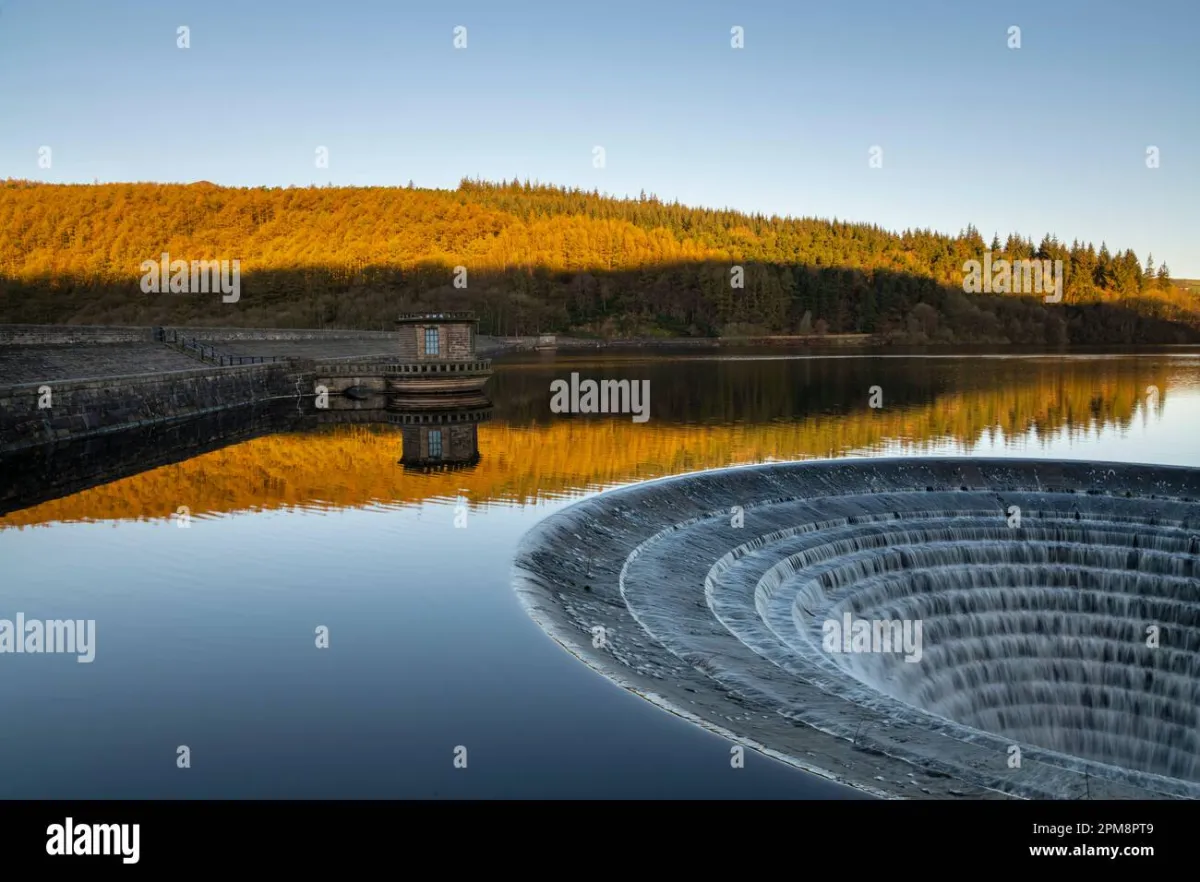 Photo: Ladybower Reservoir, via c8.alamy.com
The Body-Positive Brilliance of Wild Swimming
One of the things the wild swimming community does remarkably well is celebrate bodies for their capability rather than their appearance. You'll find every shape, size, age and background standing on those riverbanks, united by a shared willingness to get cold and a shared appreciation for what their bodies can do.
That's the spirit of Thighs The Limit right there. Strong legs aren't just for gyms. They're for scrambling over boulders in Snowdonia. They're for wading into the River Avon on a grey Tuesday morning. They're for hauling yourself out of a Scottish loch with a grin on your face and absolutely no feeling in your feet.
How to Start Your Wild Swimming Leg Journey
If you're new to wild swimming, start with established, well-known spots rather than heading off-piste. The Outdoor Swimming Society (outdoorswimmingsociety.com) is an excellent resource for finding safe, accessible locations across the UK. Always swim with others when you're starting out, check water quality before you go, and never underestimate the cold — acclimatise gradually.
From a leg training perspective, pay attention to your entry and exit routes. Take your time. Feel the stabilising work your muscles are doing. And when you haul yourself out at the end, breathless and buzzing, know that you've just done something your legs will remember.
In the best possible way.